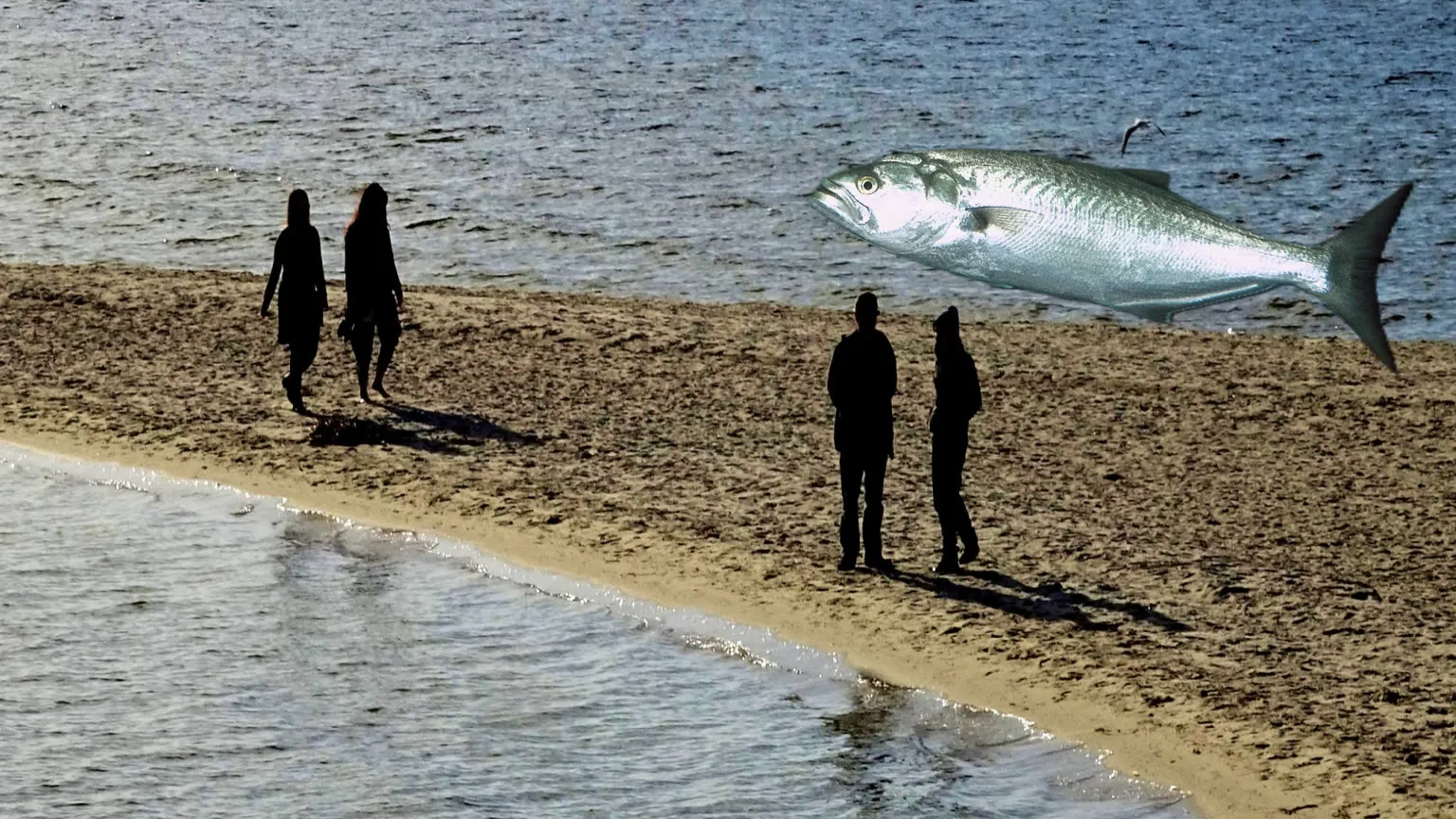
Target Species
Tailor
Swan River is one of the best spots for Chopper Tailor fishing in WA, offering accessible land-based action and highly productive seasonal runs.
Flowing right through the heart of Perth, this iconic waterway provides an incredible playground for local anglers chasing these aggressive, fast-moving predators. Known affectionately as choppers due to their smaller size and razor-sharp teeth, these juvenile and mid-sized tailor are a staple for West Australian fishos looking for a quick session after work or a weekend family outing.
What makes the Swan River so special is its sheer accessibility. You do not need an expensive boat or complex gear to get amongst the action. From the rock walls of Fremantle to the jetties of Claremont and the flats of Point Walter, chopper tailor patrol the estuary in massive schools, hunting down baitfish with absolute ferocity. When the bite is on, the water literally boils with surface activity, offering some of the most exciting light-tackle sportfishing available in any Australian capital city.
Whether you are a seasoned angler casting metal spoons into the evening breeze or a beginner learning the ropes with a simple bait rig, understanding the unique dynamics of the Swan River is the key to success. Let us dive into the river’s structure and discover how to target these hard-hitting sportfish.
Getting There
Chopper Tailor
Pomatomus saltatrix
Always check current NSW DPI regulations before fishing. Bag and size limits may change.
Understanding Swan River: Location Intelligence
The Swan River is a dynamic estuarine system shaped by tidal movements, freshwater inflows, and a distinct salt wedge that pushes salty ocean water upstream beneath the lighter freshwater. This unique hydrology creates a highly productive environment where marine baitfish thrive, drawing hungry schools of chopper tailor deep into the river system. To target them successfully, you must understand the key structures and depth profiles that these predators use to ambush their prey.
The lower reaches of the river, stretching from the Fremantle Harbour up to the Narrows Bridge, feature a mix of deep navigation channels, steep drop-offs, shallow sand flats, and man-made structures. Chopper tailor are highly visual hunters that rely on water movement and structure to corner bait. Deep-water drop-offs, such as those found around Blackwall Reach where depths plunge to over 15 metres, provide excellent holding ground for larger tailor. Here, the fish can ambush schools of yellowtail scad and bluebait that seek shelter along the sheer limestone cliffs.
Conversely, shallow sand flats like the Point Walter spit and the shallows around Matilda Bay become prime hunting grounds during high tide, particularly when the afternoon sea breeze creates a healthy chop on the water. The tailor use the turbid, moving water to mask their approach, raiding schools of hardyheads and garfish in water less than two metres deep.
Man-made structures also play a vital role in the river’s fishing dynamics. Jetties like the Claremont Jetty and the Mosman Bay Jetty act as artificial reefs, attracting baitfish and providing shadow lines where tailor can hide. Bridges, including the Fremantle Traffic Bridge and the Stirling Highway Bridge, create powerful funnel points where tidal currents accelerate. Tailor gather in these high-flow zones, waiting for the current to sweep disoriented baitfish directly into their strike zone. By focusing your efforts on these structural transitions, you will drastically increase your hook-up rate.
When exploring these fishing spots, look for active bird life. Flocks of terns and gulls diving into the water are a dead giveaway that a school of chopper tailor has pushed bait to the surface. In these situations, casting a chrome lure or a surface popper directly into the commotion is almost guaranteed to produce a strike. Understanding these structural and environmental cues is the foundation of master-level estuary angling.
Location Essentials
When Is the Best Time to Fish for Chopper Tailor at Swan River?
The best time to fish for chopper tailor at the Swan River is during dawn and dusk, particularly when these low-light periods coincide with an incoming tide and the arrival of the afternoon sea breeze.
Tailor are highly visual predators that rely on low-light conditions to ambush their prey. During the transitional periods of sunrise and sunset, baitfish like bluebait and whitebait become disoriented in the changing light, making them easy targets for schooling tailor. The hour immediately before sunrise and the hour after sunset consistently produce the most intense feeding frenzies.
The afternoon sea breeze, affectionately known by locals as the Fremantle Doctor, is another critical trigger for chopper tailor in the Swan River. When this wind kicks up during the warm summer months, it creates a distinct chop on the water surface. This chop breaks up light penetration and aerates the water, giving the tailor extra confidence to feed aggressively close to the surface, even in the middle of the afternoon.
Night fishing is also highly productive, especially around well-lit river structures. Jetties, bridge pylons, and yacht clubs with bright overhead lights cast shadows on the water where tailor love to hover, waiting to ambush baitfish attracted to the illumination.
Tides play a massive role in the movement of fish within the estuary. An incoming tide brings clean, cool, oxygen-rich saltwater from the ocean into the river system. This push of water carries schools of baitfish upstream, with the chopper tailor hot on their heels. Conversely, a run-out tide can still be fished successfully near deep channels and drop-offs, where tailor wait to intercept bait flushing out of the shallow flats.
Chopper Tailor Seasonal Calendar
Tide Times
Optimal Tide
Rising tide coinciding with dusk or dawn
Tide movement is critical for fish activity. Most species feed actively during tide changes, especially the run-in (incoming) tide.
Detailed hourly tide charts
Official tide predictions
7-day tide calendar
Tide Guide
Best for most species. Fish move in to feed as water rises.
Good for ambush predators. Baitfish get swept out.
Slower bite. Fish less active during slack water.
New/full moon. Bigger tidal range, more fish movement.
Moon Phase & Solunar
Moon phases influence fish feeding behavior. New and full moons create spring tides with stronger currents and increased fish activity.
Best Phases
- New Moon: Peak feeding activity, spring tides, excellent fishing
- Full Moon: Strong tides, night feeding, great for nocturnal species
- 3 Days Either Side: Extended peak period for maximum results
Major/Minor Periods
- Major Periods: Moon overhead/underfoot (2-3 hours)
- Minor Periods: Moon rise/set (1-2 hours)
- Best Times: Major period + dawn/dusk = explosive action
Weather Conditions
Check current conditions before heading out. Wind, swell, and barometric pressure significantly affect fish behavior.
Official forecasts, warnings & radar
Hourly wind speed & direction
Swell height, period & direction
Look for the Working Birds
Keep a keen eye on the sky. If you see terns or gulls diving frantically into the water, it is a sure sign that chopper tailor have corralled a school of baitfish to the surface. Cast your bait or lure directly into the commotion for an instant hook-up.
What Tackle Do You Need for Chopper Tailor at Swan River?
To fish for chopper tailor at Swan River, you need a light to medium spinning rod matched with a 3000-size reel, spoolled with 10 to 15-pound braid and a heavy fluorocarbon leader to withstand their sharp teeth.
Selecting the right gear is essential because chopper tailor possess razor-sharp teeth and put up a spirited, acrobatic fight. You want a setup that is light enough to cast all day but strong enough to handle sudden, aggressive runs and prevent bite-offs. For more tackle basics, see our tackle essentials guide to get your gear fully sorted before heading out.
A light spinning rod measuring between 7 and 9 feet is ideal for land-based anglers fishing the Swan River. This length allows you to cast light baits or lures a long distance to reach schooling fish. Match this with a 3000 to 4000 size spinning reel loaded with 10 to 15-pound braided main line. Braid is crucial because its thin diameter improves casting distance and offers zero stretch, allowing you to feel the faintest of taps.
Because tailor have sharp teeth, a standard monofilament leader will quickly get snipped. You should use a heavy fluorocarbon leader of at least 20 to 30 pounds. If you find yourself getting bitten off frequently by larger fish, a short, light multi-strand wire leader can be used, though this can sometimes deter fish in clear water.
Complete Tackle Specifications
| Component | Specification |
|---|---|
| Rod | 7-9ft light-medium spin, 4-8kg rating, fast action |
| Reel | 3000-4000 spin reel with a smooth carbon drag system |
| Main Line | 10-15lb PE braid for maximum casting distance and sensitivity |
| Leader | 20-30lb fluorocarbon, 1-1.5m length (or 10-15cm light wire) |
| Hooks | Size 2/0 to 4/0 gang hooks (3 or 4 hook series) |
| Sinker | Size 1-3 ball sinker (only if current requires weight) |
| Swivels | Size 8-10 rolling swivels to prevent line twist |
| Lures | 60-90mm surface poppers, metal slugs, and shallow minnows |
How Do You Rig for Chopper Tailor?
The most effective rig for chopper tailor is a simple unweighted gang hook rig, which allows a whole pilchard to drift naturally through the water column without spinning.
The unweighted gang hook rig is the absolute gold standard for targeting chopper tailor in the Swan River. Ganging hooks together allows you to present a whole pilchard (mulie) naturally, keeping the bait straight so it does not spin during retrieval. When tailor strike, they often chop the tail off the bait first. A gang of three or four hooks ensures that no matter where the fish bites, it is highly likely to find a hook point.
If you need to cast further into a strong headwind or deep channel, you can add a small running ball sinker directly above the swivel. However, keeping it unweighted is always the preferred method for a natural drift. For a complete breakdown of other setups, explore our guide on fishing rigs.
Building the Perfect Gang Hook Rig
- 1
Select Your Leader
Cut a 1.2-metre length of 30-pound fluorocarbon leader material.
- 2
Tie the Swivel
Attach a size 8 rolling swivel to one end of the leader using a Uni knot.
- 3
Prepare the Gang Hooks
Take three size 3/0 gang hooks. Ensure the eyes are slightly open to link them together.
- 4
Assemble the Gang
Pass the point of the first hook through the eye of the second, and the second through the third, then squeeze the eyes shut with pliers.
- 5
Tie Hook to Leader
Attach the top hook of the gang to the free end of your fluorocarbon leader using a secure Uni knot.
- 6
Insert the Bait
Push the top hook through the eye of a fresh mulie, the middle hook through the body, and the bottom hook near the tail.
- 7
Check Alignment
Ensure the mulie sits completely straight on the hooks to prevent it from spinning and twisting your line during retrieval.
What Bait Works Best for Chopper Tailor?
The best bait for chopper tailor is a fresh, whole pilchard (mulie), followed closely by whole garfish and fresh strips of mullet.
Chopper tailor are voracious predators that feed on a variety of small baitfish. While they will strike at lures, using fresh, oily bait is often the most reliable way to secure a feed, especially when the water is a bit discoloured or during quiet periods.
The absolute gold standard bait in Western Australia is the humble mulie. Tailor find the strong scent and oily trail of a fresh mulie irresistible. Whole garfish are another superb option, particularly for larger tailor, as their tough skin helps them stay on the hook longer. For anglers fishing in high-current areas, fresh mullet strips are highly durable and can withstand the attention of smaller pickers while releasing a steady stream of scent. When using soft baits like whitebait or bluebait, it is wise to use bait thread to secure them to the hook. For more detailed advice on preparing your offerings, check out our bait guide.
Bait Performance Analysis
| Whole Mulies | Whole Garfish | Mullet Strips | |
|---|---|---|---|
| Effectiveness Rating | Excellent | Very Good | Good |
| Durability on Hook | Moderate | High | Very High |
| Scent Dispersion | Very High | High | Moderate |
| Availability | Excellent (All Tackle Shops) | Good | Excellent |
| Best Use Conditions | Low light, choppy water, general casting | Targeting larger fish, casting into strong currents | High-current areas, when small pickers are active |
Keep Your Baits Cold
Tailor are highly sensitive to bait quality. Keep your mulies on ice in an insulated cooler box until the moment you rig them up. Soft, warm, mushy bait will fly off the hook during a long cast and will be easily stripped by small blowfish before a tailor can find it.
How Do You Catch Chopper Tailor at Swan River?
Catching chopper tailor in the Swan River requires casting into active feeding zones like current lines, retrieving bait or lures at a brisk pace, and setting the hook quickly before their sharp teeth can cut your line.
To consistently land these aggressive sportfish, you must master three core phases: casting strategy, bite detection, and the fight. Tailor are visual hunters that rely on speed and surprise, meaning your presentation must look alive and injured to draw a strike.
Casting Strategy and Bait Placement
When fishing from the shore or a boat, your main goal is to locate moving water or structure where baitfish are trapped. Look for current lines around river bends, bridge pylons, and spit posts. If you spot diving terns or splashing on the surface, cast your lure or bait directly past the activity and retrieve it through the school.
If you are baitfishing with an unweighted mulie on a gang hook rig, cast slightly up-current. Allow the bait to sink slowly while drifting down-current, keeping just enough tension on the line to feel a strike. Slowly retrieve the bait with occasional short lifts of the rod tip to mimic a dying pilchard. For lures, a fast, erratic retrieve with sudden pauses often triggers a reaction bite from trailing fish.
Bite Detection and Hookset
Tailor bites are rarely subtle. They typically hit with a hard, aggressive smash as they swim past the bait at high speed. When using metal lures or surface poppers, the fish will usually hook themselves due to the speed of the retrieve and the momentum of the strike. Keep your rod tip up and maintain a steady winding motion to ensure the hooks penetrate.
When baitfishing, you might feel a couple of quick, sharp taps followed by a sudden run. Avoid the temptation to strike at the first tap, as this is often the tailor chopping the tail off the bait. Wait for the rod tip to fold down or the line to peel off the reel, then set the hook with a firm, upward sweep of the rod. If you are using circle hooks, simply tighten the line and let the fish hook itself in the corner of the mouth.
Fighting and Landing Strategies
Once hooked, chopper tailor will put up a highly acrobatic fight, often leaping out of the water and shaking their heads violently to throw the hook. To counter this, keep your rod tip low and maintaining constant pressure on the fish. Any slack in the line during a jump will allow the tailor to use the weight of the lure or sinker to shake themselves free.
As you bring the fish closer to the shore or boat, be prepared for a final, short run. Use a landing net where possible, especially if you are fishing from high structures like jetties or rock walls. Lifting a thrashing tailor directly by the line often results in a pulled hook or a broken leader. Once landed, handle the fish with wet hands or a damp towel, and use long-nosed pliers to remove the hooks, keeping your fingers well clear of their razor-sharp teeth. For more general advice on landing techniques, read our guide on fishing techniques.
What Are the Rules and Safety Guidelines for Swan River Fishing?
Before heading out to target chopper tailor, you must familiarise yourself with the local Western Australian fishing rules and safety precautions. The Swan River is a highly accessible waterway, but it presents unique challenges and environmental factors that every angler must respect.
Critical Safety Considerations
- Slippery Rocks and Structures: Wet rock walls around Fremantle and Rivervale can be incredibly slick. Wear footwear with excellent grip and take extra care when landing fish.
- Toxic Algae Blooms: The Swan River occasionally experiences harmful algae blooms during the warmer summer months. Always check local health advisories before keeping any fish for the table.
- Razor-Sharp Teeth: Tailor possess sharp, interlocking teeth that can easily slice through skin. Always use long-nosed pliers to remove hooks and never stick your fingers near a tailor’s mouth.
- Blowfish Hazards: Toxic blowfish are abundant in the Swan River. Handle them carefully, do not leave them on the banks, and dispose of them responsibly if they are caught.
State Regulations and Conservation
In Western Australia, tailor are subject to strict bag and size limits to ensure the sustainability of the fishery. The minimum legal length for tailor is 300 mm. The individual bag limit is 8 fish, with a maximum of only 2 fish allowed over 500 mm. This forms part of a mixed species daily bag limit of 16 nearshore or estuarine finfish per fisher.
Please note that rules can change, so you should always check current regulations at the state fisheries website before your trip.
To help preserve the Swan River tailor population, practice these conservation habits:
- Use Circle Hooks: When bait fishing, circle hooks reduce the chance of deep hooking, making it easier to release undersized fish safely.
- Handle with Care: If you plan to release a fish, keep it in the water as much as possible and support its belly.
- Use a Wet Towel: Handling tailor with a dry cloth or dry hands removes their protective slime layer, leaving them vulnerable to infections.
- Dispatch Quickly: If keeping fish for the table, dispatch them humanely using the iki jime method or a swift blow to the head, and bleed them immediately in ice slurry.
For more information on staying safe near the water, consult our guide on fishing safety.
Your Questions About Chopper Tailor Fishing at Swan River
What is the best time to fish at Swan River?
The best time to fish for chopper tailor at the Swan River is during the dawn and dusk periods, particularly when these times align with a high tide.
These peak fishing hours see increased predatory activity as tailor use the low-light conditions to ambush baitfish. Additionally, during the summer months, the arrival of the afternoon sea breeze, known locally as the Fremantle Doctor, often creates a surface chop that triggers a strong feeding bite.
Is Swan River suitable for beginners?
Yes, the Swan River is highly suitable for beginners due to its easy access, calm waters, and abundance of land-based fishing locations.
It is an incredibly beginner friendly waterway where novice anglers can practice casting and retrieving without dealing with heavy ocean swells. Places like Point Walter and various river jetties offer safe, flat platforms that make learning the basics of light-tackle sportfishing highly enjoyable.
Do I need a boat to fish at Swan River?
No, you do not need a boat to catch chopper tailor in the Swan River, as there are dozens of productive shore-based spots along the riverbanks.
Excellent land-based fishing is available from Fremantle all the way up to Maylands. Jetties, bridge pylons, and sandy spits allow shore-bound anglers to easily cast into deep channels and current lines where tailor travel.
Where are the best specific spots at Swan River?
Some of the best specific spots for chopper tailor include the Fremantle Rock Walls, Point Walter Spit, Claremont Jetty, and the Narrows Bridge.
These hot spots provide the ideal mix of bait-holding structure, deep water, and strong tidal currents. Anglers targeting these fishing marks consistently find schools of tailor patrolling the edges of the channels during the warmer months.
What size Chopper Tailor can I expect?
The average catch size for chopper tailor in the Swan River ranges between 20 and 35 centimetres in length.
While these smaller specimens make up the bulk of the schools, larger trophy fish measuring over 50 centimetres are caught every season, particularly around deep-water structures in December and January.
Is there parking available at Swan River?
Yes, most of the popular fishing locations along the Swan River offer dedicated parking areas close to the water.
Excellent access is a key feature of the river, with bayside car parks located near Point Walter, Matilda Bay, and the Fremantle harbour walls. Always check local signage for parking fees and time restrictions, especially near the inner-city zones.
Can I fish at night at Swan River?
Yes, fishing at night is highly productive for tailor in the Swan River, especially around well-lit structures.
Using night fishing tips like targeting areas under bridge lights or jetty lamps can yield great results, as these lights attract baitfish, which in turn draw in active tailor after dark.
Where can I buy bait near Swan River?
You can buy fresh and frozen bait at numerous tackle stores and service stations located around the Perth metropolitan area.
Several specialised bait shops and tackle stores nearby the river, particularly in Fremantle, Nedlands, and Melville, stock high-quality local mulies, garfish, and prawns perfect for targeting tailor.
What are the current bag and size limits?
The current legal limits for tailor in Western Australia require a minimum size of 300 millimetres and a daily bag limit of 8 fish per person. Note: Only 2 of these fish may exceed 500 millimetres in length.
These regulations are strictly enforced by local fisheries officers to maintain sustainable populations within the estuary and nearshore marine environments.
Is Swan River family-friendly for fishing?
Yes, the Swan River is an exceptionally family-friendly fishing destination with many parks, playgrounds, and public amenities.
Locations such as Matilda Bay and Chidley Point offer safe fishing spots with wide grassy banks, public toilets, and picnic tables, making them perfect for introducing kids to the sport of fishing.
What should I bring for a fishing session?
Your essential fishing checklist should include a light spinning outfit, a selection of metal lures, gang hooks, leader material, pliers, and sun protection.
Bringing the right essential gear ensures you can adapt to changing conditions, whether you need to switch from casting metal spoons to rigging up a fresh mulie on a wire leader.
How crowded does Swan River get?
The Swan River can get quite busy on warm summer weekends, particularly around popular jetties and boat ramps.
To find quiet fishing times and avoid the crowds, plan your trips for mid-week mornings or target less accessible stretches of the riverbank away from major parks.
Stay Updated with Fishing Reports
To get the most out of your next session on the water, check out the latest community updates, water temperatures, and local catches.
Latest Fishing Reports
Stay updated with the latest catches, conditions, and hot tips from Swan River. Check these sources for recent reports filtered by location and species.
Fishraider
Community fishing reports and catch logs
Fishing World
Professional fishing reports and news
Tackle World
Local tackle shop reports and tips
NSW DPI
Official recreational fishing reports
Fishingmonthly
Monthly fishing magazine and reports
Hooked Up
Video fishing reports and tips
Pro Tip: Filter Reports
When browsing reports, search for "Swan River" or nearby landmarks. Look for reports from the last 7-14 days for the most relevant information. Pay attention to tide times, weather conditions, and successful techniques mentioned.
Share Your Catch
Caught something at Swan River? Share your success with the community! Upload your catch photos and reports to help other anglers.
Disclaimer: Bag limits, size limits, and seasonal closures are subject to change by state authorities. Always verify the latest rules with the Western Australian Department of Primary Industries and Regional Development before heading out. Explore more fishing spots in the area, learn about other species at this location, or read our tackle basics guide to prepare your gear.
Quick Info
- Location
- Swan River
- Coordinates
- -31.9500, 115.8600
- Difficulty
- intermediate
- Target Species
- Tailor
Conditions
Check local weather and tide conditions before heading out.