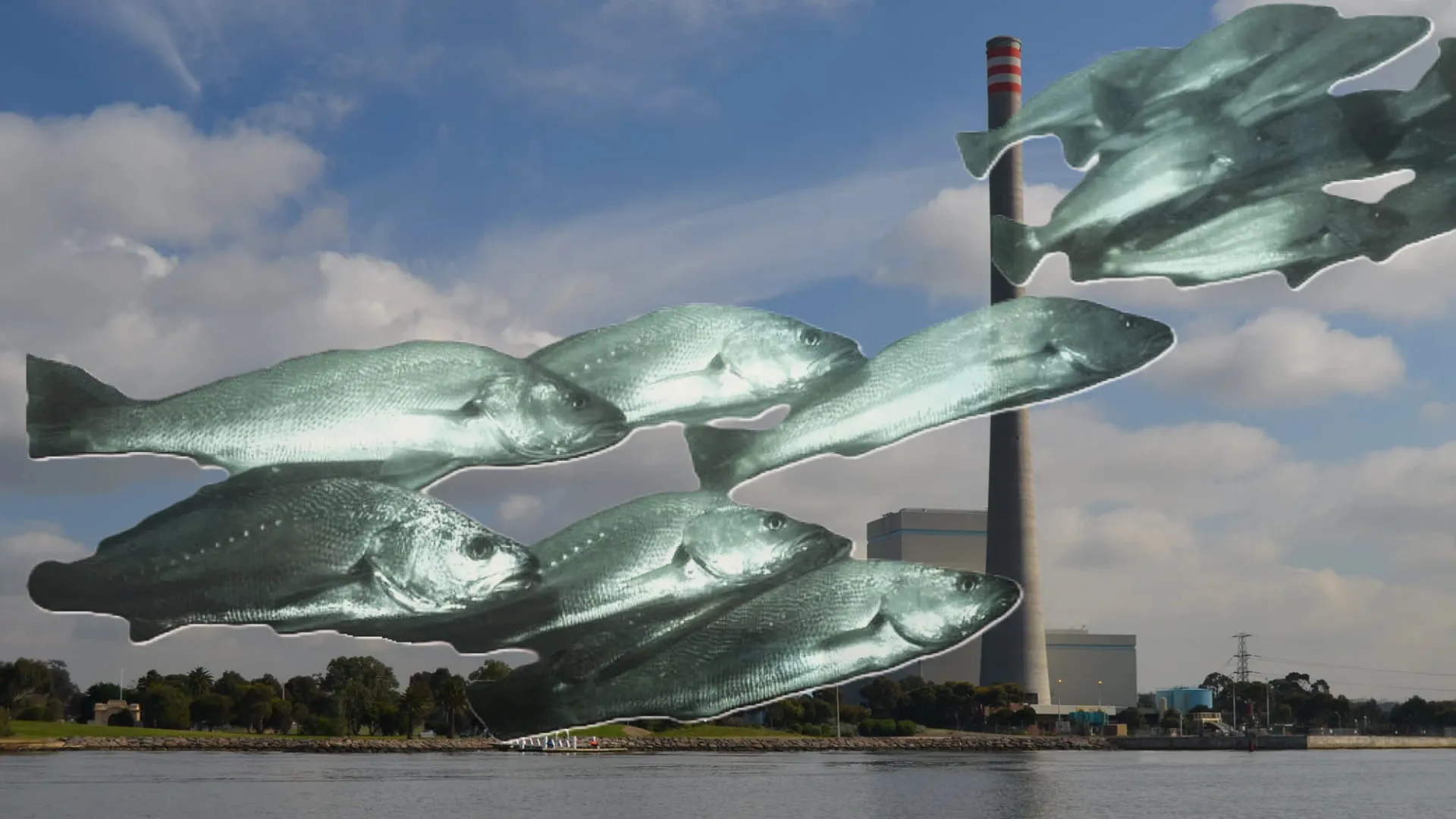
Target Species
Mulloway
Queens Wharf is one of the best spots for Mulloway fishing in NSW, offering deep-water access directly from the shore and heavy industrial structure that attracts massive bait schools. This premier land-based location allows anglers to target trophy-sized jewfish without a boat, especially during the tide turns under the cover of darkness.
Newcastle Harbour is legendary among East Coast anglers, and Queens Wharf stands as the absolute crown jewel for land-based fishers chasing the elusive silver ghost. Situated along the bustling foreshore of the Hunter River estuary, this location combines heavy industrial infrastructure with deep, fast-flowing water. It is a environment where massive Mulloway, often referred to locally as jewfish, patrol the shadows of commercial berths and concrete pylons. While many anglers believe you need a boat to consistently tangle with these powerful sportfish, Queens Wharf proves that some of the biggest fish in the system can be caught with your boots firmly planted on dry land.
What makes this spot so special is the unique convergence of tidal energy, structural complexity, and bait abundance. The Hunter River pours a massive volume of water through a relatively narrow harbour entrance, creating a natural highway for migrating baitfish. Queens Wharf sits right on the edge of this highway, offering Mulloway the perfect ambush points.
In this guide, you will learn how to read the complex currents of the harbour, select the exact tackle required to stop a big fish in heavy structure, and master the bait presentation methods that local experts use to fool these highly suspicious predators. Whether you are a seasoned local looking to refine your approach or a visitor hoping to land your very first metropolitan jewfish, the secrets of Queens Wharf are about to be revealed. For a broader look at the region, you can explore more fishing spots along the New South Wales coastline or dive into our detailed species guides to understand the behaviour of your target.
Getting There
Mulloway
Argyrosomus japonicus
Always check current NSW DPI regulations before fishing. Bag and size limits may change.
Understanding Queens Wharf: Location Intelligence
To successfully target Mulloway at Queens Wharf, you must first understand the underwater landscape. This is not a simple, sandy beach where fish wander aimlessly. The harbour floor here is a highly complex environment shaped by decades of industrial dredging, shipping activity, and tidal scouring. The main shipping channel drops away rapidly to depths between 10 and 15 metres just a short cast from the paved walkway. This sudden drop-off is a critical transit zone for large predators.
The primary structure consists of massive concrete pylons supporting the wharf structures, alongside heavy timber fenders designed to cushion commercial vessels. These pylons are encrusted with barnacles, oysters, and mussels, creating a thriving micro-ecosystem. Smaller baitfish like yellowtail scad, sea mullet, and herring congregate around these structures for protection, which in turn draws the Mulloway.
Location Essentials
Another key feature of the local topography is the presence of submerged cockle beds on the flatter, shallower sections adjacent to the main channel. Experienced local anglers use traditional sonar on boats to map these, but land-based fishers can locate them by paying attention to where the current eddies form. These cockle beds provide a harder, redder return on sounders and concentrate benthic organisms, attracting bream and flathead, which are prime prey for big Mulloway.
The hydrodynamics of the Hunter River estuary also play a major role. During heavy rain events, the river system flushes fresh, muddy water down towards the harbour. While this mud can deter some species, Mulloway absolutely thrive in these murky, low-visibility conditions. They possess an incredibly sensitive lateral line system that allows them to detect the tiny vibrations of swimming baitfish even in pitch-black or highly turbid water. The interface where the dirty river water meets the cleaner ocean water is a prime hunting ground.
Furthermore, the artificial lighting from the wharf and the surrounding Newcastle foreshore precinct plays a tactical role at night. The overhead lights cast distinct shadow lines onto the water’s surface. Mulloway will hold deep in the dark water just outside these light pools, waiting for unsuspecting squid or mullet to swim through the illuminated patches before launching a high-speed ambush. Understanding how to position your bait relative to these shadow lines is often the difference between a quiet night and a screaming reel.
When Is the Best Time to Fish for Mulloway at Queens Wharf?
The best time to fish for Mulloway at Queens Wharf is during the change of tide at night, dawn, or dusk, with the cooler months from April to July offering the most consistent action.
To consistently catch Mulloway, you must align your sessions with specific environmental triggers. These fish are highly calculated predators that use tide, light, and seasonal migrations to their advantage. At Queens Wharf, the interaction between the Hunter River outflow and the deep shipping channel creates distinct feeding windows.
The Tidal Influence
The turn of the tide is the single most important factor for land-based anglers at this location. The last two hours of the run-out tide are particularly critical. As the water drains from the shallow flats and mangrove creeks further up the Hunter River, baitfish, prawns, and crabs are flushed out into the main channel. They are swept past the deep structure of the wharf, where Mulloway wait in the eddies.
While the run-out tide is highly productive, the slack water period, lasting about thirty minutes either side of the high or low tide turn, is when big fish commit to a bite. During spring tides, the current through the harbour can run like a train, making it difficult to keep your bait in the strike zone. In these conditions, the slack water turn is your primary window. Conversely, neap tides offer a much wider bite window. With less water movement, you can fish effectively throughout the entire tide cycle, as the fish are not forced to seek shelter from raging currents.
Light and Lunar Cycles
Mulloway have highly developed lateral lines and excellent low-light vision, making them dominant night hunters. While dawn and dusk sessions from 4:00 PM to 7:00 PM are always worth fishing, the hours after dark are when the largest fish patrol the shadow lines of the wharf.
The moon phase plays a major role in their feeding behaviour. Overcast nights or the dark nights surrounding the new moon are generally superior. In clear water, a bright full moon can make Mulloway flighty and suspicious of heavy leaders. However, if you must fish a full moon, focus your efforts on the shadow lines cast by the wharf structure and commercial berths, where the fish can remain hidden in the darkness while watching for prey passing through the illuminated water.
Mulloway Seasonal Calendar
Tide Times
Optimal Tide
Last two hours of the run-out tide through to the slack water turn.
Tide movement is critical for fish activity. Most species feed actively during tide changes, especially the run-in (incoming) tide.
Detailed hourly tide charts
Official tide predictions
7-day tide calendar
Tide Guide
Best for most species. Fish move in to feed as water rises.
Good for ambush predators. Baitfish get swept out.
Slower bite. Fish less active during slack water.
New/full moon. Bigger tidal range, more fish movement.
Moon Phase & Solunar
Moon phases influence fish feeding behavior. New and full moons create spring tides with stronger currents and increased fish activity.
Best Phases
- New Moon: Peak feeding activity, spring tides, excellent fishing
- Full Moon: Strong tides, night feeding, great for nocturnal species
- 3 Days Either Side: Extended peak period for maximum results
Major/Minor Periods
- Major Periods: Moon overhead/underfoot (2-3 hours)
- Minor Periods: Moon rise/set (1-2 hours)
- Best Times: Major period + dawn/dusk = explosive action
Weather Conditions
Check current conditions before heading out. Wind, swell, and barometric pressure significantly affect fish behavior.
Official forecasts, warnings & radar
Hourly wind speed & direction
Swell height, period & direction
Listen for the Croak
Mulloway are known as drum fish because they can produce a distinct croaking or grunting sound using their swim bladders. On quiet, windless nights at Queens Wharf, stand near the edge of the timber decking and listen closely. If you hear a low, repeating grunting sound coming from beneath the structure, you are standing directly over a school of active fish.
What Tackle Do You Need for Mulloway at Queens Wharf?
You need a heavy land-based outfit consisting of a 7 to 9 foot medium-heavy rod rated for 8 to 15 kilograms, paired with a 4000 to 6000 size spinning reel spooled with 20 to 30 pound braid.
Selecting the right gear is a balancing act between having enough casting distance to reach the channel edge and having the raw pulling power to stop a heavy fish from wrapping your line around concrete pylons. The structure here is unforgiving, encrusted with sharp barnacles and oysters that will instantly slice through light lines.
Rod and Reel Selection
A rod of 7 to 9 feet in length gives you the use needed to cast heavy sinkers and bulky live baits, while also allowing you to steer a fighting fish away from the wharf pylons. Look for a rod with a fast action tip for detecting subtle bites, but with a powerful butt section that can handle heavy pressure.
Pair this with a high-quality spinning reel in the 4000 to 6000 size range. The reel must have a smooth, reliable carbon drag system capable of delivering at least 10 kilograms of drag. A lightweight all-rounder like a Saltist MQ 4000 is perfect for casting soft vibes and lures, while a larger 6000 or 8000 size reel is better suited for soaking large live baits where line capacity and maximum cranking power are required. For more tackle basics, see our tackle essentials guide.
Line and Leader
Do not compromise on your line. Spool your reel with 20 to 30 pound high-quality PE braid. Braid offers a thin diameter for better casting distance and less water resistance in the strong harbour currents, while providing zero stretch for instant hooksets.
Your leader is your insurance policy. Use a 1.5 to 2 metre length of 40 to 60 pound fluorocarbon. Fluorocarbon is highly abrasion-resistant and has a refractive index close to water, making it virtually invisible to wary fish. If you are targeting trophy fish right against the pylons, do not hesitate to upgrade to 80 pound leader to survive the initial, brutal run.
Queens Wharf Mulloway Tackle Specifications
| Component | Specification |
|---|---|
| Rod | 7-9ft medium-heavy spin, 8-15kg rating, fast action |
| Reel | 4000-6000 size spinning reel with minimum 10kg drag |
| Main Line | 20-30lb PE braid (coloured for visibility) |
| Leader | 40-60lb fluorocarbon, 1.5-2m length |
| Hooks | 5/0-7/0 circle hooks or snelled suicide hooks |
| Sinker | 2-4oz ball sinker (adjust to current strength) |
| Swivels | Size 2-4 heavy-duty crane or barrel swivels |
| Rig Type | Running sinker rig or heavy-duty paternoster |
How Do You Rig for Mulloway?
The most effective rig for Mulloway at Queens Wharf is a running sinker rig featuring a heavy fluorocarbon leader and snelled circle hooks, which allows live bait to swim naturally.
The standard running sinker rig, often called the classic jew rig, is the most successful setup for this location. It allows a Mulloway to pick up the bait and run with it without feeling the weight of the sinker. If a wary fish detects resistance too early, it will immediately drop the bait.
Using circle hooks is highly recommended. Because Mulloway tend to swallow baits whole, circle hooks are designed to slide to the corner of the mouth as the fish swims away, ensuring a secure hookup and preventing gut-hooking, which is crucial for releasing undersized fish safely.
Building the Best Running Sinker Jew Rig
- 1
Thread the Sinker
Thread a running ball sinker onto your main braid line. Use the lightest sinker possible that will still hold the bottom in the current, typically between 2 and 4 ounces.
- 2
Add a Buffer Bead
Slide a small rubber buffer bead onto the main line after the sinker. This protects the knot on your swivel from being damaged by the heavy sinker sliding against it.
- 3
Tie on the Swivel
Tie your main line to one end of a heavy-duty size 2 crane swivel using a Palomar knot or a Uni knot. Ensure the knot is moistened before pulling it tight.
- 4
Prepare the Leader
Cut a 1.5 metre length of 50 pound fluorocarbon leader material. Check the leader for any nicks or scratches before proceeding.
- 5
Snell the Hooks
Snel two 6/0 circle hooks in tandem, spacing them about 10 to 15 centimetres apart depending on the size of your bait. This ensures excellent hook exposure at both ends of the bait.
- 6
Connect Leader to Swivel
Tie the free end of your fluorocarbon leader to the remaining eye of the swivel using a secure Uni knot or a trilene knot.
- 7
Secure the Bait
Pass the top hook through the snout of your live bait (like a yellowtail) and the bottom hook near the tail, ensuring the bait can still swim naturally without spinning.
What Bait Works Best for Mulloway?
The best bait for Mulloway at Queens Wharf is fresh live bait, with yellowtail (yakkas), poddy mullet, and fresh-caught squid outperforming all other options.
While Mulloway can occasionally be caught on dead baits, they are primarily active predators that prefer live, moving prey. The vibration of a struggling baitfish triggers their predatory instinct via their lateral line long before they see the bait.
If you must use dead bait, it must be incredibly fresh. Frozen, supermarket-grade bait is rarely successful here. Instead, catch your bait fresh at the wharf before you begin your session.
Bait Performance Analysis for Queens Wharf
| Live Yellowtail (Yakka) | Live Poddy Mullet | Fresh Squid (Whole) | |
|---|---|---|---|
| Effectiveness Rating | Excellent | Outstanding | Excellent |
| Durability on Hook | High | Very High | Moderate |
| Scent Dispersion | Moderate | Low | Very High |
| Availability | Abundant at wharf | Catch in shallows | Catch under lights |
| Best Use Conditions | Best fished near deep pylons | Ideal for strong currents | Perfect for quiet, slow tides |
The Fresh Squid Advantage
If you can catch fresh squid under the wharf lights at night, you have the best Mulloway bait. Cut the hood into thick strips or present a small squid whole. The natural bioluminescence and strong scent of fresh squid are irresistible to passing fish, especially during the winter months.
How Do You Catch Mulloway at Queens Wharf?
Catching Mulloway at Queens Wharf requires precise bait placement along the deep pylon shadow lines and a disciplined approach to bite detection. Success relies on presenting live bait or soft vibes naturally within the structure where these predators ambush their prey.
When fishing this land-based location, your casting strategy must account for the heavy structure and tidal flow. Position your live bait or lure right on the edge of the shadow lines created by the wharf decking and overhead lights. Mulloway love to sit in these dark pockets, waiting for baitfish to flush past. If you are using soft vibes, cast slightly up-current, let the lure sink to the bottom on a tight line, and use a slow lift-and-drop technique. Ensure you maintain contact with the vibe as it falls, as this is when most strikes occur. You can learn more about these casting methods in our fishing techniques guide.
Bite detection is a test of patience. When using live bait, Mulloway often take the bait and run before fully swallowing it. If you are using a baitrunner reel or a light drag setting, let the fish run for several seconds. Do not strike immediately. Let the fish commit to the run, tighten your drag slowly, and allow the circle hook to find its mark in the corner of the mouth. If you strike too early, you will simply pull the bait out of the fish’s mouth. When lure fishing, the bite is often a subtle tick on the line or a sudden weightiness. Set the hook firmly but smoothly with a sweeping rod motion.
Once hooked, a big Mulloway will immediately head for the nearest pylon or underwater structure. You must apply immediate pressure to turn the fish’s head away from the concrete pylons. Keep your rod high and use the power of your medium-heavy rod to steer the fish into open water. Do not rush the fight. Mulloway have soft mouths, and pulling too hard can tear the hook free. Once the fish is tired and comes to the surface, use a long-handled landing net to secure it. Avoid lifting a heavy fish by the line, as this will almost certainly result in a lost trophy.
What Are the Rules for Fishing at Queens Wharf?
Fishing at Queens Wharf requires a valid NSW recreational fishing licence and strict adherence to the legal size limit of 70cm and bag limit of 2 Mulloway per person. Anglers must also share the space safely with active ferry traffic and commercial vessels.
Before wetting a line, make sure you have paid your NSW recreational fishing fee. It is essential to keep up to date with the latest fishing regulations as rules can change. Since Mulloway stocks are in a recovering phase, practicing sustainable fishing is highly encouraged to protect the future of the species.
When targeting these fish, please observe the following conservation practices:
- Use circle hooks to minimize deep hooking and facilitate a safe release.
- Support the fish with wet hands or a wet cloth when handling, keeping it out of the water for the shortest time possible.
- Use a soft knotless landing net to protect the fish’s slime coating.
- If a fish is deeply hooked, cut the leader close to the mouth rather than trying to force the hook out.
Critical Safety Considerations
Queens Wharf is an active public ferry terminal and commercial port area. Always watch for incoming vessels and never cast near moving ferries.
- Slippery Surfaces: The lower steps and walkways can become extremely slippery during low tides or wet weather. Wear footwear with good grip.
- Bull Sharks: Bull sharks are highly active in Newcastle Harbour from October to May, especially after heavy rain. Avoid wading or putting hands in the water.
- Emergency Contacts: In case of emergency, contact 000 immediately. Always practice general fishing safety when fishing near deep harbour waters.
Your Questions About Mulloway Fishing at Queens Wharf
What is the best time to fish at Queens Wharf?
The best time to fish at Queens Wharf is during the turn of the tide at night, dawn, or dusk.
To maximise your chances, plan your peak fishing hours around the hour before and after a high or low tide change. This is when baitfish are most vulnerable, and Mulloway actively patrol the structure. Knowing when to fish can make the difference between a quiet night and a memorable catch.
Is Queens Wharf suitable for beginners?
While Queens Wharf is easily accessible, targeting Mulloway here is generally considered an advanced angling pursuit due to the heavy structure.
For those looking for beginner friendly options, this spot can be challenging because hooking a powerful fish near concrete pylons requires excellent gear management and quick reflexes. However, it remains one of the most accessible easy fishing spots to try your luck if you have the right gear.
Do I need a boat to fish at Queens Wharf?
No, you do not need a boat to fish at Queens Wharf as it is one of the premier land-based fishing locations in Newcastle.
This spot is perfect for shore fishing, allowing anglers to cast directly into deep water channels and pylon shadow lines without the expense of a vessel. It is a highly productive land-based fishing option that offers boat-like access to deep water.
Where are the best specific spots at Queens Wharf?
The best specific spots at Queens Wharf are along the shadow lines cast by the overhead lights and directly adjacent to the main pylon structures.
Anglers often target these hot spots where the light meets the dark water, as predatory fish wait in the shadows to ambush passing bait. These specific fishing marks consistently produce bait and target species throughout the year.
What size Mulloway can I expect?
You can expect to encounter Mulloway ranging from school-sized fish of 60cm up to trophy specimens exceeding 120cm.
The average catch size at this location is around the 70 to 80cm mark, but the deep harbour waters regularly play host to genuine trophy fish that will test your heavy tackle to its limits.
Is there parking available at Queens Wharf?
Yes, there is metered street parking and public car parks available within walking distance of Queens Wharf.
Access is straightforward, but parking can be limited during busy weekends or community events. Knowing how to get there early ensures you secure a spot close to the water so you do not have to carry your heavy gear too far.
Can I fish at night at Queens Wharf?
Yes, night fishing is highly recommended at Queens Wharf as Mulloway are nocturnal predators that use the dark to ambush prey.
Applying effective night fishing tips, such as fishing the artificial light lines and keeping noise to a minimum, will greatly improve your success after dark when the big fish move into the shallows to feed.
Where can I buy bait near Queens Wharf?
There are several tackle shops and service stations within a short drive of Queens Wharf that stock fresh and frozen bait.
Visiting local bait shops or tackle stores nearby before your session is the best way to secure fresh squid, beach worms, or frozen blocks of pilchards. For more tips on selecting the right bait, check out our bait guide.
What are the current bag and size limits?
The current NSW regulations specify a minimum legal size limit of 70cm and a daily bag limit of 2 Mulloway per person.
These strict regulations are in place to help protect the recovering fishery, and keeping undersized fish carries heavy penalties under NSW legal limits. Always measure your catch on a flat surface.
Is Queens Wharf family-friendly for fishing?
Yes, Queens Wharf is a flat, paved, and well-lit area, making it very family-friendly for a casual fishing trip.
While it is a great spot for kids fishing, parents must remain vigilant near the water’s edge due to the lack of safety railings in some sections. It is one of the more comfortable and safe fishing spots in the harbour.
What should I bring for a fishing session?
You should bring a medium-heavy rod outfit, a long-handled landing net, fresh bait, warm clothing, and a headlamp.
Your fishing checklist should also include your NSW fishing licence, a measuring mat to verify legal sizes, and essential gear like spare leaders and sinkers to handle the snaggy structure. Refer to our tackle basics for more gear advice.
How crowded does Queens Wharf get?
Queens Wharf can become quite crowded on warm weekends, public holidays, and during peak tide changes.
To find quiet fishing times, plan your sessions during mid-week nights or during less favourable weather. The best times to avoid crowds are late evening on weekdays when foot traffic is minimal.
Latest Fishing Reports
Stay updated with the latest catches, conditions, and hot tips from Queens Wharf. Check these sources for recent reports filtered by location and species.
Fishraider
Community fishing reports and catch logs
Fishing World
Professional fishing reports and news
Tackle World
Local tackle shop reports and tips
NSW DPI
Official recreational fishing reports
Fishingmonthly
Monthly fishing magazine and reports
Hooked Up
Video fishing reports and tips
Pro Tip: Filter Reports
When browsing reports, search for "Queens Wharf" or nearby landmarks. Look for reports from the last 7-14 days for the most relevant information. Pay attention to tide times, weather conditions, and successful techniques mentioned.
Share Your Catch
Caught something at Queens Wharf? Share your success with the community! Upload your catch photos and reports to help other anglers.
Disclaimer: Fishing regulations and access rules can change. Always verify current bag limits, size limits, and licensing requirements with the NSW Department of Primary Industries before heading out. Ensure you practice safe land-based fishing techniques at all times.
Explore more fishing spots in the area, learn about other species at this location, or read our fishing basics guide to get started.
Quick Info
- Location
- Queens Wharf
- Coordinates
- -32.9260, 151.7810
- Difficulty
- advanced
- Target Species
- Mulloway
Conditions
Check local weather and tide conditions before heading out.