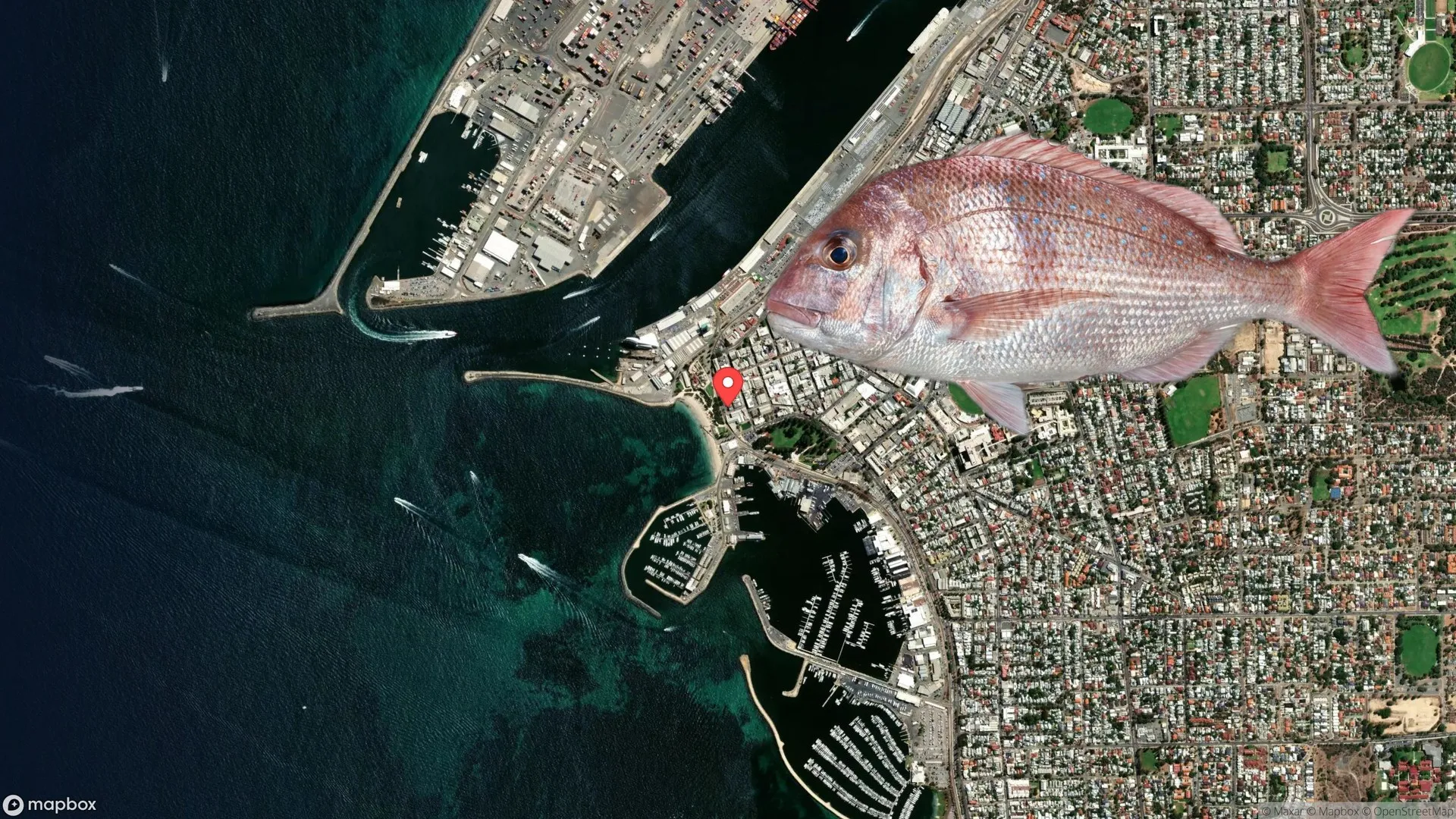
Target Species
Pink Snapper
North Mole in Fremantle stands as one of Western Australia’s premier land-based fishing platforms, offering dedicated anglers a genuine opportunity to target trophy-sized Pink Snapper without requiring boat access. This historic rock wall, constructed at the mouth of the Swan River, provides exceptional deep-water access and nutrient-rich currents that consistently attract large predatory fish throughout the year. For shore-based anglers seeking quality Pink Snapper, North Mole represents the ultimate battleground where preparation, timing, and technique converge to produce memorable catches.
The mole’s unique position creates a natural funnel for baitfish moving between Cockburn Sound and the open ocean, establishing prime feeding zones that Pink Snapper patrol regularly. Understanding the dynamics of this location, combined with proper tackle selection and strategic timing, transforms challenging conditions into productive fishing sessions that reward patient, knowledgeable anglers with fish of genuine quality.
Getting There
Pink Snapper
Chrysophrys auratus
Always check current NSW DPI regulations before fishing. Bag and size limits may change.
Understanding North Mole: Location Intelligence
North Mole’s effectiveness as a Pink Snapper destination stems from multiple environmental factors working in concert. The rock wall extends approximately 400 meters into deep water, with depths ranging from 5 meters near shore to over 15 meters at the outer sections. This depth profile creates distinct zones where different fishing strategies prove most effective.
The shipping channel running adjacent to the mole maintains strong tidal currents that sweep baitfish and nutrients past the structure throughout each tide cycle. Pink Snapper use these currents strategically, positioning themselves in ambush points where they can intercept prey with minimal energy expenditure. The rocky substrate of the mole itself provides habitat for crustaceans, mollusks, and small fish that form the natural diet of resident snapper populations.
Water temperature fluctuations drive seasonal snapper movements, with fish moving closer to shore during autumn and spring when temperatures range between 18-22°C. During summer, larger specimens often retreat to deeper water, though dedicated anglers fishing dawn and dusk sessions can still connect with quality fish. Winter fishing remains productive, particularly following weather systems that stir up baitfish and trigger feeding responses.
Location Essentials
Timing Your Session: When Pink Snapper Feed
Success at North Mole depends critically on timing your fishing sessions to coincide with peak feeding periods. Pink Snapper exhibit strong circadian rhythms, with feeding activity concentrated during specific windows throughout each 24-hour period. Understanding these patterns allows anglers to maximize productive fishing time while minimizing unproductive hours on the water.
Dawn represents the absolute prime feeding window for Pink Snapper at North Mole. Beginning approximately 90 minutes before sunrise and extending through the first two hours of daylight, this period sees snapper moving into shallower water to feed actively on baitfish and crustaceans. The low light conditions provide cover for predators while baitfish become more vulnerable, creating ideal hunting conditions that trigger aggressive feeding responses.
Dusk fishing produces similarly excellent results, with activity building from two hours before sunset through the transition to darkness. As light levels drop, Pink Snapper become increasingly bold, moving closer to structure and feeding more aggressively. Night fishing extends productive periods, particularly during full moon phases when increased light penetration allows snapper to hunt effectively throughout darkness hours.
Midday fishing typically proves slower, though not impossible. During summer months when surface temperatures peak, snapper often suspend in deeper water during midday, becoming less accessible to shore-based anglers. However, during cooler months or overcast conditions, midday sessions can produce quality fish, particularly when tides are running strongly.
Tidal Influence on Snapper Behavior
Tidal movement exerts profound influence on Pink Snapper feeding patterns at North Mole. The incoming tide, particularly the two hours before high water, consistently produces the best results. As water levels rise, baitfish move closer to structure seeking food and shelter, drawing predatory snapper into optimal casting range for shore-based anglers.
The outgoing tide also produces fish, though results typically prove less consistent than incoming water. As the tide drops, baitfish get swept away from structure, and snapper position themselves to intercept this natural food source. The first hour of the outgoing tide often fishes well, before activity tapers as water levels drop significantly.
Slack tide periods, occurring at both high and low water, generally represent the slowest fishing. With minimal water movement, baitfish disperse and snapper feeding activity decreases markedly. Experienced anglers often use slack periods for tackle preparation, bait rigging, or simply taking breaks before the next productive tide phase begins.
Tide Times
Optimal Tide
Incoming tide (2 hours before high water)
Tide movement is critical for fish activity. Most species feed actively during tide changes, especially the run-in (incoming) tide.
Detailed hourly tide charts
Official tide predictions
7-day tide calendar
Tide Guide
Best for most species. Fish move in to feed as water rises.
Good for ambush predators. Baitfish get swept out.
Slower bite. Fish less active during slack water.
New/full moon. Bigger tidal range, more fish movement.
Moon Phase & Solunar
Moon phases influence fish feeding behavior. New and full moons create spring tides with stronger currents and increased fish activity.
Best Phases
- New Moon: Peak feeding activity, spring tides, excellent fishing
- Full Moon: Strong tides, night feeding, great for nocturnal species
- 3 Days Either Side: Extended peak period for maximum results
Major/Minor Periods
- Major Periods: Moon overhead/underfoot (2-3 hours)
- Minor Periods: Moon rise/set (1-2 hours)
- Best Times: Major period + dawn/dusk = explosive action
Weather Patterns and Snapper Activity
Weather conditions significantly impact Pink Snapper behavior and fishing success at North Mole. The 24-48 hour period following strong weather systems, particularly winter storms, consistently produces exceptional fishing. Storm activity stirs up the seafloor, dislodging crustaceans and disorienting baitfish, creating feeding opportunities that draw snapper into aggressive feeding modes.
Stable high-pressure systems with light winds provide comfortable fishing conditions and allow anglers to present baits effectively. However, these conditions sometimes produce slower fishing compared to more dynamic weather patterns. Pink Snapper often feed most aggressively during periods of changing barometric pressure, particularly as pressure begins rising following low-pressure systems.
Wind direction influences both fishing conditions and fish behavior. Westerly and south-westerly winds blow directly onto the mole, creating challenging casting conditions and potentially dangerous wave action. Easterly winds provide more comfortable fishing conditions, though they may push warmer surface water offshore, potentially affecting fish location. North-easterly winds often produce excellent fishing, combining comfortable conditions with favorable water movement.
Post-Storm Strategy
The 24-48 hours following significant weather systems represent premium fishing windows at North Mole. Storm activity churns the water column, dislodging natural food sources and triggering aggressive feeding responses from Pink Snapper. If conditions allow safe fishing, prioritize these post-storm periods for your best chance at multiple quality fish. Monitor weather forecasts closely and plan sessions to coincide with the settling period after major systems pass through.
Tackle Selection: Building Your Arsenal
Successful Pink Snapper fishing at North Mole demands robust tackle capable of handling powerful fish in challenging conditions. The combination of strong currents, rocky structure, and the fighting ability of quality snapper requires equipment that balances sensitivity with raw stopping power. Compromising on tackle quality or specifications frequently results in lost fish and frustration.
Rod selection forms the foundation of your tackle system. A 9-10 foot medium-heavy spinning rod rated for 6-10kg line provides the ideal combination of casting distance, sensitivity, and fish-fighting capability. The additional length aids casting distance, critical for reaching productive water beyond the immediate rock wall, while maintaining sufficient backbone to turn fish away from structure during the critical first moments of the fight.
Reel choice equally impacts success rates. A quality 3000-4000 size spinning reel with smooth drag and adequate line capacity handles the demands of North Mole fishing effectively. The reel must hold minimum 250 meters of 20-30lb braided line, providing sufficient capacity for long casts while maintaining reserve line for powerful runs from quality fish. Drag systems must operate smoothly across their full range, as inconsistent drag frequently causes lost fish during critical fight moments.
Complete Tackle Specifications
| Component | Specification |
|---|---|
| Rod | 9-10ft medium-heavy spin, 6-10kg rating, fast action tip |
| Reel | 3000-4000 spin reel, smooth drag, 250m+ line capacity |
| Main Line | 20-30lb PE 1.5-2.0 braid, high abrasion resistance |
| Leader | 20-30lb fluorocarbon, 1-1.5m length, low visibility |
| Hooks | 4/0-6/0 snelled suicide or circle hooks, chemically sharpened |
| Sinker | 3-6oz grapnel or star sinker, size based on current strength |
| Swivels | Size 4-6 barrel swivels, 150kg+ breaking strain |
| Rig Type | Paternoster rig, single or double dropper configuration |
Line Selection and Configuration
Line choice significantly impacts both casting performance and fish-landing success. Braided mainline in the 20-30lb range provides optimal performance, offering minimal diameter for maximum casting distance while maintaining sufficient strength for powerful fish. Modern PE braids with tight weave patterns resist abrasion better than older designs, critical when fishing around rocky structure.
Fluorocarbon leader material proves essential for North Mole fishing. The low visibility of fluorocarbon in water increases bite rates in the clear conditions often encountered, while its abrasion resistance provides insurance against the inevitable contact with rocks during fights. Leader length of 1-1.5 meters balances invisibility with casting ease, with longer leaders sometimes hindering casting distance in windy conditions.
Connection quality between mainline and leader determines whether fish stay connected or break free. The FG knot or similar slim profile connection provides maximum strength while passing smoothly through rod guides during casting. Taking time to tie quality connections eliminates a common failure point that costs many anglers trophy fish each season.
Rig Construction: The Paternoster System
The Paternoster rig dominates North Mole fishing for excellent reasons. This configuration suspends baits above the rocky bottom, dramatically reducing snags while presenting offerings in the strike zone where feeding snapper patrol. Mastering Paternoster construction and deployment separates consistently successful anglers from those who struggle with lost tackle and missed opportunities.
Building the Perfect Paternoster Rig
- 1
Prepare Leader Material
Cut 1.5 meters of 20-30lb fluorocarbon leader. Attach a size 4-6 barrel swivel to one end using an improved clinch or uni knot. This swivel connects to your mainline and prevents line twist during deployment and retrieval.
- 2
Create First Dropper Loop
Measure 30cm up from the bottom of your leader and tie a dropper loop using the surgeon's loop method. This loop should be 15-20cm long when completed, providing sufficient length to attach your snelled hook while keeping the hook clear of the mainline.
- 3
Add Second Dropper (Optional)
For a two-hook rig, create a second dropper loop 40cm above the first using the same technique. Two-hook rigs increase your chances of hookups but also increase snag risk. Start with single-hook rigs until you master the location's structure.
- 4
Attach Snelled Hooks
Loop your pre-snelled 4/0-6/0 hooks onto the dropper loops. Snelled hooks provide superior strength compared to tied hooks and allow quick hook changes when points become dulled from contact with rocks or fish.
- 5
Connect Sinker
Attach your grapnel or star sinker to the bottom of the leader using a heavy-duty clip. Using a clip rather than tying directly allows quick sinker weight changes as current strength varies throughout your session. Start with 4oz and adjust based on conditions.
Sinker Selection and Weight Management
Sinker choice dramatically affects both fishing effectiveness and tackle loss rates. Grapnel sinkers, with their multiple wire arms, grip rocky bottom effectively, holding your rig in position despite strong currents. This stability keeps baits in productive zones rather than tumbling along the bottom, but increases snag risk if arms wedge between rocks.
Star sinkers provide an alternative that balances holding power with reduced snag risk. The pyramid-style design with protruding points grips bottom reasonably well while being less prone to wedging in rock crevices. Many experienced North Mole anglers prefer star sinkers, accepting slightly reduced holding power in exchange for fewer lost rigs.
Weight selection depends entirely on current strength, which varies throughout each tide cycle. Starting with 4oz sinkers works well during moderate currents, but strong spring tides may require 5-6oz to maintain bottom contact. Conversely, during slack periods or neap tides, dropping to 3oz reduces snag risk while maintaining adequate holding power. Carry a range of weights and adjust throughout your session as conditions change.
Bait Selection: What Pink Snapper Cannot Resist
Bait quality and selection directly determine catch rates at North Mole. Pink Snapper possess excellent senses of smell and taste, readily distinguishing fresh, high-quality baits from old or poorly handled offerings. Investing in premium bait and maintaining its freshness throughout your session pays immediate dividends in increased bites and landed fish.
Fresh squid stands as the premier bait choice for North Mole Pink Snapper. The firm texture of fresh squid allows it to stay on hooks through repeated casts and the attention of smaller fish, while its scent profile proves irresistible to feeding snapper. Whole squid hoods cut into strips approximately 8-10cm long and 2-3cm wide provide ideal bait size, large enough to deter small nuisance fish while remaining manageable for snapper of all sizes.
Mullet fillets, known locally as “mulies,” represent the traditional favorite among Western Australian snapper anglers. Fresh mullet fillets possess high oil content that creates an attractive scent trail in the water, drawing snapper from considerable distances. Half fillets from medium-sized mullet work perfectly, providing substantial baits that stay on hooks well while offering maximum scent dispersion.
Bait Performance Analysis
| Fresh Squid | Mullet Fillets | Fresh Herring | Octopus | |
|---|---|---|---|---|
| Effectiveness Rating | Excellent (9/10) | Excellent (9/10) | Very Good (8/10) | Good (7/10) |
| Durability on Hook | Very High | Moderate | Moderate | Excellent |
| Scent Dispersion | Moderate | Very High | High | Low |
| Availability | Good year-round | Excellent | Good | Variable |
| Best Use Conditions | All conditions, especially clear water | Dirty water, strong currents | Dawn/dusk, active feeding periods | Slow bite, persistent small fish |
Bait Preparation and Presentation
Proper bait preparation significantly impacts both casting distance and hookup rates. Cutting baits to appropriate sizes ensures they stay on hooks during casting while remaining attractive to target fish. Squid strips should be cut with the grain, creating long, narrow pieces that flutter attractively in current. Cutting across the grain produces wider pieces that tend to spin during casting, causing line twist and reducing effectiveness.
Mullet fillets benefit from strategic cutting that balances scent dispersion with hook retention. Cutting fillets in half lengthwise creates two long, thin pieces that release maximum scent while providing sufficient substance to stay on hooks. For particularly strong currents or when small fish prove problematic, using whole fillets or even whole small mullet increases bait durability.
Hook placement on baits determines both casting success and hookup efficiency. For squid strips, thread the hook through one end and then back through the middle, creating a secure attachment that withstands casting forces. With mullet fillets, hook once through the thickest part near the head end, allowing the remainder to flutter freely. This presentation appears natural while ensuring the hook point remains exposed for solid hooksets.
The Deadly Combination
Experienced North Mole regulars often employ a two-bait strategy on double-hook Paternoster rigs. The bottom hook carries a fresh squid strip for its durability and visual appeal, while the top hook features a mullet fillet for maximum scent dispersion. This combination covers multiple attraction factors simultaneously, increasing your chances of drawing strikes from passing snapper while maintaining bait integrity throughout your session.
Fishing Technique: From Cast to Landing
Successful Pink Snapper fishing at North Mole requires more than quality tackle and fresh bait. Proper technique throughout the entire fishing process, from initial cast through final landing, separates anglers who consistently catch quality fish from those who struggle despite having appropriate equipment. Each phase of the fishing process demands specific skills and attention to detail.
Casting Strategy and Bait Placement
Effective casting places your bait in productive zones where feeding snapper patrol regularly. At North Mole, the most productive water typically lies 30-50 meters from the rock wall, where depth increases and current creates natural feeding lanes. Achieving this distance consistently requires proper casting technique rather than maximum power, as controlled casts produce better accuracy and reduce the risk of tangles or lost rigs.
The pendulum cast provides optimal distance while maintaining control. Begin with your rod tip low, swing the rig back behind you to build momentum, then accelerate smoothly forward, releasing line at approximately 45 degrees above horizontal. This technique generates substantial distance without requiring excessive force that might break leaders or dislodge baits from hooks.
Once your rig hits the water, engage your bail immediately and maintain slight tension as the sinker descends. This tension allows you to feel when the sinker contacts bottom, preventing excessive slack that leads to tangles. When you feel the distinctive thump of the sinker hitting bottom, close your bail and take up slack until you achieve light tension on your line.
Detecting and Responding to Bites
Pink Snapper bites vary considerably in character depending on fish size, feeding mood, and current conditions. Small snapper often produce rapid tapping sensations as they nibble at baits, while larger fish may simply load the rod with steady pressure as they swim away with the bait. Learning to distinguish between these bite types and respond appropriately dramatically improves hookup rates.
Resist the temptation to strike at initial taps or nibbles. Pink Snapper frequently mouth baits several times before committing to a full take. Striking prematurely typically results in pulling the bait away from the fish before it has properly engulfed the offering. Instead, wait for the rod to load with sustained pressure, indicating the fish has the bait well into its mouth.
When you feel sustained pressure, execute a firm, sweeping hookset by lifting the rod sharply to approximately 45 degrees above horizontal. Pink Snapper possess bony mouths that require solid hooksets to achieve penetration. A half-hearted strike frequently results in hooks failing to penetrate properly, leading to lost fish during the fight.
Fighting and Landing Strategies
The first ten seconds after hookset determine the outcome of most Pink Snapper fights at North Mole. Immediately after setting the hook, apply maximum reasonable pressure to turn the fish’s head and prevent it from reaching nearby structure. Snapper instinctively dive toward rocks when hooked, and once they reach structure, extracting them becomes extremely difficult if not impossible.
Maintain steady pressure throughout the fight, using a pump-and-wind technique rather than simply winding against drag. Lower your rod while winding to recover line, then lift smoothly to gain additional ground. This technique reduces strain on your tackle while maintaining constant pressure that tires fish more effectively than inconsistent pressure.
As the fish nears the rock wall, prepare for a final surge. Snapper often find renewed energy when they see the rocks, making desperate runs that catch unprepared anglers off guard. Keep your rod high and maintain firm pressure, allowing your drag to absorb these final runs rather than trying to stop them with rod pressure alone.
Landing fish from North Mole’s high rock wall presents unique challenges. A long-handled landing net proves invaluable, allowing you to reach down and secure fish without needing to lift them vertically on your line. Alternatively, a gaff works well for larger fish, though it requires more skill to use effectively. Never attempt to lift large snapper vertically by the line alone, as this frequently results in pulled hooks or broken leaders at the moment of triumph.
Critical Safety Considerations
North Mole presents genuine hazards that demand constant awareness and appropriate precautions. The rock surface becomes extremely slippery when wet, making quality footwear with aggressive tread patterns essential. Studded rock boots or similar specialized footwear provides necessary traction on wet, algae-covered rocks.
Wave action poses serious danger, particularly during periods of ocean swell. Rogue waves can sweep across the mole with little warning, potentially washing anglers into the ocean. Never turn your back on the ocean, and maintain constant awareness of wave patterns throughout your session. If waves begin breaking over the mole regularly, abandon your session immediately.
Night fishing compounds these hazards significantly. A quality headlamp with fresh batteries proves essential, as does fishing with a companion who can provide assistance if problems arise. Personal flotation devices, while uncommon among rock fishermen, provide genuine insurance against the worst-case scenario of being swept into the water.
Regulations and Conservation
Western Australian fishing regulations exist to ensure sustainable Pink Snapper populations for future generations. The West Coast Bioregion (south of 31°S latitude), which includes North Mole, maintains a minimum size limit of 50cm total length and a daily bag limit of two Pink Snapper per person. These stricter limits apply to protect the local snapper population. Always verify current regulations with the WA Department of Primary Industries and Regional Development before fishing.
These regulations reflect the biology of Pink Snapper, which grow slowly and don’t reach sexual maturity until approximately 3-4 years of age. The 50cm minimum size in the West Coast Bioregion ensures fish have spawned multiple times before becoming legal to keep, supporting population sustainability. Bag limits prevent excessive harvest while still allowing anglers to take fish for personal consumption.
Beyond legal requirements, practicing conservation-minded fishing enhances the resource for everyone. Consider releasing fish over 60cm, as these larger specimens represent the most productive spawners in the population. Handle all fish carefully, wetting your hands before contact and minimizing air exposure for fish you intend to release. Quick photos followed by immediate release gives fish the best chance of survival.
Tide Times
Optimal Tide
Incoming tide (2 hours before high water)
Tide movement is critical for fish activity. Most species feed actively during tide changes, especially the run-in (incoming) tide.
Detailed hourly tide charts
Official tide predictions
7-day tide calendar
Tide Guide
Best for most species. Fish move in to feed as water rises.
Good for ambush predators. Baitfish get swept out.
Slower bite. Fish less active during slack water.
New/full moon. Bigger tidal range, more fish movement.
Frequently Asked Questions
What is the best time of year to fish North Mole for Pink Snapper?
Autumn (March through May) and spring (September through November) consistently produce the best Pink Snapper fishing at North Mole. During these periods, water temperatures range between 18-22°C, triggering increased feeding activity as fish prepare for spawning or recover from spawning periods. Winter fishing remains productive, particularly after weather systems, while summer fishing typically slows as fish move to deeper, cooler water.
Do I need a fishing license to fish at North Mole?
Yes, all anglers aged 16 and over require a valid Western Australian Recreational Fishing License to fish at North Mole. Licenses can be purchased online through the Department of Primary Industries and Regional Development website or from licensed agents including most tackle shops. Penalties for fishing without a license can be substantial.
What should I do if I hook a shark or ray?
Sharks and rays frequently inhabit the same waters as Pink Snapper and occasionally take baits intended for snapper. If you hook a shark or ray, maintain steady pressure and fight the fish carefully to the rock wall. Use long-nosed pliers or a hook removal device to remove hooks without handling the fish directly. If the fish is deeply hooked, cut the leader as close to the hook as safely possible rather than attempting removal. Never attempt to lift sharks or rays from the water, as this can injure both the fish and the angler.
Can I fish North Mole at night?
Night fishing is permitted at North Mole and can produce excellent results, particularly during full moon periods when increased light penetration allows snapper to feed actively throughout darkness hours. However, night fishing significantly increases safety risks. Always fish with a companion, wear a headlamp with fresh batteries, and exercise extreme caution regarding wave action and slippery rocks. Consider starting with dawn and dusk sessions before progressing to full night fishing.
What other species can I catch at North Mole besides Pink Snapper?
North Mole supports diverse fish populations beyond Pink Snapper. Tailor (Australian bluefish) provide exciting sport during their seasonal runs, typically from late spring through autumn. Herring school near the mole year-round and provide excellent bait or light tackle sport. Squid can be caught using jigs, particularly during evening hours. Larger predators including Samson fish and mulloway occasionally appear, though they remain less common than snapper.
Always verify current regulations with the WA Department of Primary Industries and Regional Development before fishing. Assess weather and ocean conditions carefully before each session, and prioritize safety above all else.
Quick Info
- Location
- North Mole
- Region
- Fremantle, WA
- Coordinates
- -32.0569, 115.7422
- Difficulty
- advanced
- Target Species
- Pink Snapper
Access
- Access Type
- shore
- Parking
- Free 3-hour parking at lighthouse, disabled bays available
- Facilities
- Disability fishing platformRock wall access
Conditions
Check local weather and tide conditions before heading out.