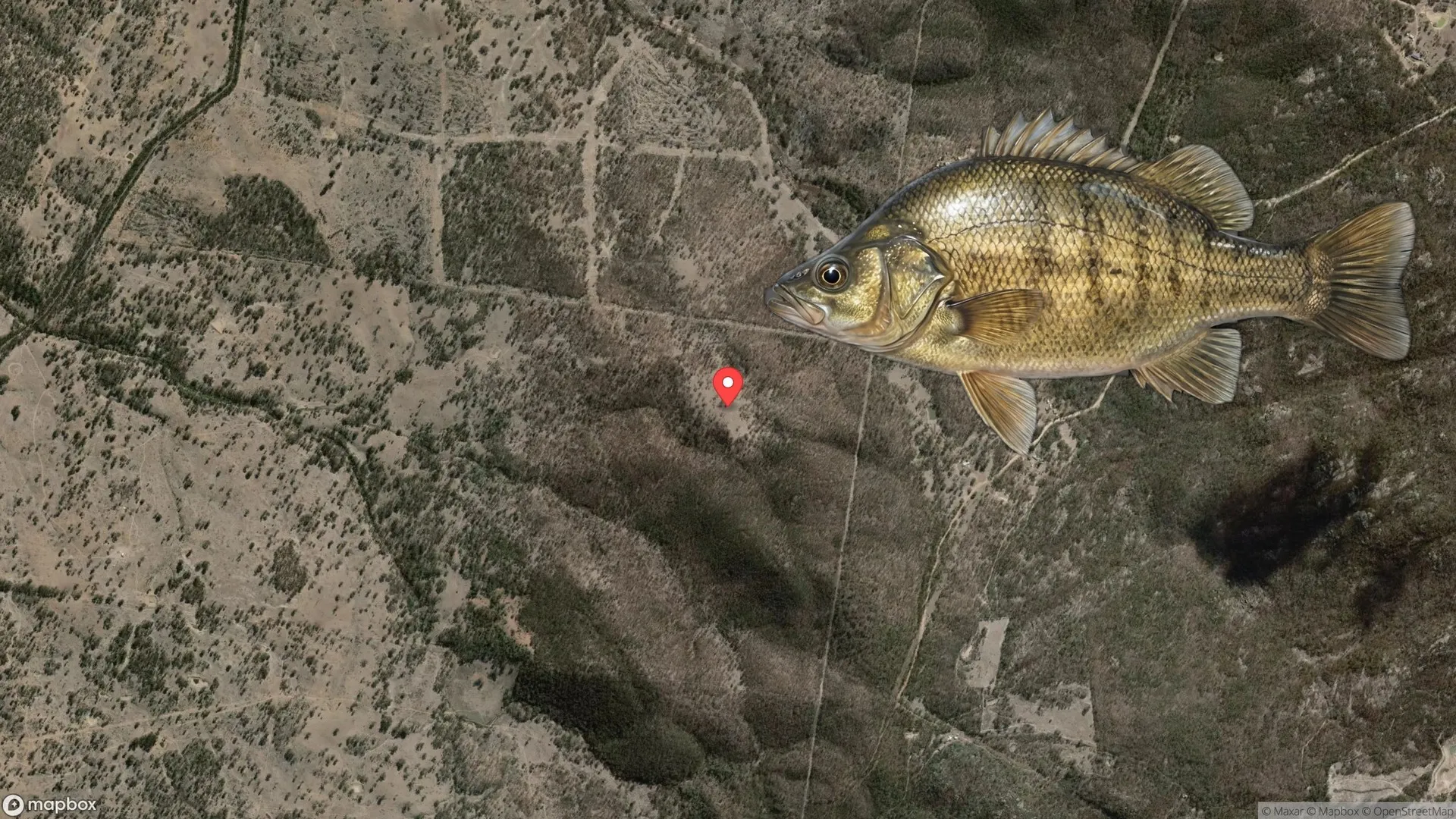
Target Species
Golden Perch
Glenlyon Dam, nestled in the scenic Granite Belt region of Queensland near Stanthorpe, is a well-known haven for anglers chasing the iconic Golden Perch, affectionately known as Yellowbelly by many Aussies. This impoundment offers more than just a picturesque backdrop; it’s a thriving ecosystem perfectly suited to these native sportfish. The dam’s structure, combined with careful fisheries management, makes it a consistent producer of quality Golden Perch, drawing anglers from far and wide hoping to hook into a memorable fish.
What makes Glenlyon Dam so special for Golden Perch fishing? It’s a combination of factors. The dam boasts diverse underwater structure, from rocky outcrops and submerged timber to extensive weed beds, providing ample habitat and ambush points for Yellowbelly. The water quality is generally good, and the dam is regularly stocked to supplement natural recruitment, ensuring a healthy and sustainable population. Plus, its relatively remote location means less fishing pressure compared to dams closer to major population centres.
In this guide, you’ll discover the secrets to successfully targeting Golden Perch at Glenlyon Dam. We’ll cover everything from understanding the Yellowbelly’s behaviour and preferred habitat to selecting the right tackle and mastering effective fishing techniques. You’ll learn about the best times to fish, the most productive locations, and the critical safety considerations to keep in mind. Whether you’re a seasoned angler or a newcomer to the sport, this guide will equip you with the knowledge and skills to increase your chances of landing that trophy Golden Perch.
Golden Perch
Macquaria ambigua
Always check current NSW DPI regulations before fishing. Bag and size limits may change.
Understanding Glenlyon Dam: Location Intelligence
Glenlyon Dam is a key fishing destination for Golden Perch due to its diverse habitat and healthy fish population. Understanding the dam’s geography, depth, and structure is crucial for locating and catching Yellowbelly. The dam is situated approximately 30 kilometres south of Stanthorpe in the Queensland Granite Belt region, surrounded by granite boulder country and eucalypt woodland. Its primary purpose is irrigation water storage for the surrounding agricultural region, which influences water levels seasonally, creating varied fish habitat as shorelines expand and contract.
The dam’s underwater topography is varied, featuring rocky points, submerged timber, and expansive weed beds. These structures provide ideal ambush points for Golden Perch, which are opportunistic predators. The depth ranges from shallow, weedy margins to deeper, open water areas. Yellowbelly often congregate around structure in shallower water, especially during dawn and dusk when they actively hunt for prey. The presence of submerged timber and rocky outcrops creates complex habitats that attract baitfish, further enhancing the area’s appeal to Golden Perch. The water clarity can vary depending on rainfall and runoff, but generally, the dam offers good visibility, allowing Yellowbelly to effectively hunt using sight.
Golden Perch thrive in Glenlyon Dam because it provides a stable environment with ample food sources. The dam’s ecosystem supports a variety of baitfish, crustaceans, and insects, which form the Yellowbelly’s diet. Regular stocking programs also contribute to the dam’s healthy Golden Perch population. The dam’s size and depth allow for temperature stratification during the warmer months, providing refuge for Yellowbelly in cooler, deeper waters. Understanding these factors will help you target your fishing efforts more effectively and increase your chances of success.
Location Essentials
Timing Your Session: When Golden Perch Feed
Knowing when Golden Perch are most active is crucial for a successful fishing trip to Glenlyon Dam. Yellowbelly typically exhibit peak feeding activity during dawn and dusk, making these prime times to target them. These periods of low light provide them with a hunting advantage, allowing them to ambush prey more effectively. Night fishing can also be productive, especially during the warmer months when Yellowbelly seek cooler waters and become more active under the cover of darkness.
While Glenlyon Dam isn’t directly influenced by tidal movements due to its inland location, other environmental factors play a significant role in triggering feeding activity. Barometric pressure changes can often stimulate fish to feed. A rising barometer, indicating stable or improving weather, is generally considered a good sign. Conversely, a rapidly falling barometer, often associated with approaching storms, can put fish off the bite.
Weather patterns also influence Golden Perch behaviour. Overcast days with light rain can be surprisingly productive, as the reduced light levels encourage Yellowbelly to move into shallower water to feed. Conversely, bright, sunny days may drive them into deeper water or under heavy cover to escape the harsh sunlight. Water temperature is another critical factor. Yellowbelly prefer water temperatures between 18 and 24°C. During the cooler months, they may become less active and seek out warmer pockets of water.
Tide Times
Optimal Tide
Not applicable, Glenlyon Dam is inland
Tide movement is critical for fish activity. Most species feed actively during tide changes, especially the run-in (incoming) tide.
Detailed hourly tide charts
Official tide predictions
7-day tide calendar
Tide Guide
Best for most species. Fish move in to feed as water rises.
Good for ambush predators. Baitfish get swept out.
Slower bite. Fish less active during slack water.
New/full moon. Bigger tidal range, more fish movement.
Moon Phase & Solunar
Moon phases influence fish feeding behavior. New and full moons create spring tides with stronger currents and increased fish activity.
Best Phases
- New Moon: Peak feeding activity, spring tides, excellent fishing
- Full Moon: Strong tides, night feeding, great for nocturnal species
- 3 Days Either Side: Extended peak period for maximum results
Major/Minor Periods
- Major Periods: Moon overhead/underfoot (2-3 hours)
- Minor Periods: Moon rise/set (1-2 hours)
- Best Times: Major period + dawn/dusk = explosive action
Moon Phase Magic
While not as critical as tides, some anglers believe that the moon phase can influence Golden Perch activity. Experiment with fishing during the full or new moon phases, as these periods are often associated with increased fish activity. Keep a fishing log to track your catches and identify any patterns related to moon phases.
Tackle Selection: Building Your Arsenal
Choosing the right tackle is essential for effectively targeting Golden Perch at Glenlyon Dam. A well-balanced outfit will not only enhance your fishing experience but also increase your chances of landing that trophy Yellowbelly. A medium-heavy spinning rod in the 9-10 foot range with a 6-10kg rating is a good all-round choice. This provides enough power to cast lures and baits effectively while still offering sensitivity to detect subtle bites.
Pair your rod with a 3000-4000 size spinning reel with a smooth drag system. A reliable drag is crucial for fighting larger Golden Perch, preventing them from breaking your line or pulling the hook. Spool the reel with 20-30lb PE braid. Braid offers excellent sensitivity and casting distance, allowing you to cover more water and detect even the faintest of takes.
Attach a 1-1.5m leader of 20-30lb fluorocarbon to the braid using a suitable knot, such as an Albright Special or FG knot. Fluorocarbon is nearly invisible underwater, making it less likely to spook wary Yellowbelly. The leader also provides abrasion resistance, protecting your line from rocks and other underwater obstacles. For hooks, 4/0-6/0 snelled suicide or circle hooks are ideal for bait fishing. The size will depend on the size of the bait you’re using. Use sinkers ranging from 3-6oz, depending on the current and depth you’re fishing. Barrel swivels (size 4-6) are essential for preventing line twist, especially when using lures or fishing in currents.
Complete Tackle Specifications
| Component | Specification |
|---|---|
| Rod | 9-10ft medium-heavy spin, 6-10kg rating |
| Reel | 3000-4000 spin reel, smooth drag |
| Main Line | 20-30lb PE braid |
| Leader | 20-30lb fluorocarbon, 1-1.5m |
| Hooks | 4/0-6/0 snelled suicide or circle |
| Sinker | 3-6oz based on current |
| Swivels | Size 4-6 barrel swivels |
| Rig Type | Paternoster or running sinker |
Rig Construction: The Paternoster System
The Paternoster rig is a popular and effective choice for bait fishing for Golden Perch at Glenlyon Dam. This rig allows you to present your bait off the bottom, reducing the chances of snags and increasing its visibility to fish. It’s relatively simple to construct and can be adapted to suit different fishing conditions.
Building the Perfect Paternoster Rig
- 1
Step 1: Tie on a Swivel
Start by tying a barrel swivel to the end of your main line using a Palomar knot or improved clinch knot. This swivel will connect your main line to the rig.
- 2
Step 2: Add a Dropper Loop
About 30-40cm above the swivel, tie a dropper loop in your leader line. This loop will hold your hook. Make sure the loop is large enough to easily attach your hook.
- 3
Step 3: Attach the Hook
Thread your hook through the dropper loop and then pass the hook back through the loop to create a secure connection. This allows the hook to swing freely.
- 4
Step 4: Add a Sinker
Tie a snap swivel to the bottom of your leader line. Attach your sinker to the snap swivel. The weight of the sinker will depend on the current and depth you're fishing.
- 5
Step 5: Adjust as Needed
You can adjust the length of the leader between the swivel and the dropper loop to suit the fishing conditions. Experiment with different lengths to find what works best.
Bait Selection: What Golden Perch Cannot Resist
Choosing the right bait is crucial for enticing Golden Perch at Glenlyon Dam. Yellowbelly are opportunistic feeders and will readily take a variety of baits, both live and artificial. Some of the most effective baits include yabbies, shrimp, worms, and small baitfish.
Yabbies are a classic Golden Perch bait and are particularly effective when fished live or fresh. They emit a strong scent that attracts Yellowbelly from a distance. Shrimp are another excellent choice, especially when peeled to release their scent. Worms are a reliable option, particularly when fishing in clearer water. Small baitfish, such as gudgeons or bony bream, can also be very effective, especially when targeting larger Yellowbelly.
When selecting bait, consider the clarity of the water and the time of year. In murky water, baits with a strong scent are more likely to attract fish. During the warmer months, live baits can be particularly effective, as Yellowbelly are more active and aggressive. Experiment with different baits to see what works best on the day. Remember to check local regulations regarding the use of live bait.
Bait Performance Analysis
| Yabbies | Shrimp | Worms | |
|---|---|---|---|
| Effectiveness Rating | High | High | Moderate |
| Durability on Hook | Good | Fair | Good |
| Scent Dispersion | High | High | Moderate |
| Availability | Moderate | High | High |
| Best Use Conditions | Clear to slightly murky water | All conditions | Clear water |
Yabby Tip
When using yabbies, try hooking them through the tail to allow them to swim naturally. This will increase their attractiveness to Golden Perch. If you’re using dead yabbies, try crushing them slightly to release more scent.
Fishing Technique: From Cast to Landing
Mastering the right fishing technique is just as important as having the right tackle and bait when targeting Golden Perch at Glenlyon Dam. A well-executed cast, coupled with keen bite detection and a controlled fight, can make the difference between landing a trophy Yellowbelly and going home empty-handed. Start by positioning yourself strategically, considering the wind direction and the location of any structure you want to target. Cast your bait or lure towards the chosen spot, allowing it to sink to the desired depth.
When bait fishing with a Paternoster rig, let the sinker settle on the bottom and then slowly retrieve any slack line. Keep the line relatively tight to maintain contact with your bait and improve bite detection. Watch the rod tip carefully for any signs of a bite. Yellowbelly bites can range from subtle taps to aggressive pulls. If you suspect a bite, gently lift the rod tip to feel for resistance. If you feel a solid pull, strike firmly to set the hook.
When lure fishing, experiment with different retrieval techniques to find what works best on the day. Try a slow, steady retrieve, a stop-start retrieve, or a twitching retrieve. Pay attention to how the lure is moving in the water and adjust your technique accordingly. Use lures that imitate baitfish, such as spinnerbaits and soft plastics. Target areas with structure, such as rocks and weed beds. Fish slowly and carefully, as Golden Perch can be easily spooked. Use a variety of retrieval speeds and actions to entice bites. Try fishing at night, as Golden Perch can be more active under the cover of darkness.
Once you’ve hooked a Golden Perch, maintain a steady pressure on the line and avoid sudden jerks. Allow the fish to run if it needs to, but keep the drag set appropriately to prevent it from stripping too much line. Use the rod to absorb the fish’s movements and tire it out. Once the fish is close to the boat or shore, use a landing net to safely bring it in. Handle the fish carefully and avoid touching its gills. If you plan to release the fish, use barbless hooks to minimise injury and return it to the water as quickly as possible.
Regulations and Conservation
It’s crucial to be aware of and adhere to all fishing regulations in Queensland when fishing at Glenlyon Dam. A Queensland Stocked Impoundment Permit (SIP) is required for anglers 18 years and over—this can be purchased as a weekly or yearly permit online or at the Glenlyon Dam kiosk. Before you head out, check the latest regulations on the QLD Fisheries website regarding bag limits (typically 5 Golden Perch in freshwater with 30cm minimum size), and any specific restrictions that may apply.
Practicing responsible fishing techniques is also essential for conservation. Use barbless hooks whenever possible to minimise injury to fish, especially if you plan to release them. Avoid using excessive weight or tackle that could damage the environment. Dispose of all rubbish responsibly and avoid polluting the waterways. Respect other anglers and share the fishing spots.
Consider practicing catch and release, especially for larger Golden Perch. These fish are often the most valuable breeders and contribute significantly to the population. Handle fish carefully when releasing them and ensure they are fully recovered before letting them go. By following these guidelines, you can help ensure that Glenlyon Dam remains a productive and enjoyable fishing destination for generations to come.
Critical Safety Considerations
Glenlyon Dam can present several safety hazards. Be aware of slippery rocks along the shoreline, especially after rain. Wear appropriate footwear with good grip. Take note of weather forecasts before heading out, as conditions can change rapidly. Be mindful of submerged obstacles and avoid boating in shallow or restricted areas. Always wear a life jacket when boating and be aware of other water users. Carry a first-aid kit and know how to use it. Let someone know your fishing plans and expected return time.
Frequently Asked Questions
What is the best time of year to catch Golden Perch at Glenlyon Dam?
The best time of year to target Golden Perch at Glenlyon Dam is during the autumn and spring months. During these periods, the water temperatures are generally more stable and within the Yellowbelly's preferred range, leading to increased feeding activity.
What are the most effective lures and baits for Golden Perch fishing?
Effective lures for Golden Perch include spinnerbaits, soft plastics, and lipless crankbaits. For bait fishing, yabbies, shrimp, and worms are all excellent choices. Experiment with different options to see what works best on the day.
What are the fishing regulations and bag limits for Glenlyon Dam?
Fishing regulations and bag limits vary and are subject to change. Always check the latest regulations on the QLD Fisheries website before fishing. These regulations will specify the legal size limits and the maximum number of Golden Perch you can keep per day.
What type of tackle and equipment is recommended for Golden Perch fishing?
A medium-heavy spinning rod in the 9-10 foot range with a 6-10kg rating is recommended, paired with a 3000-4000 size spinning reel spooled with 20-30lb PE braid and a 20-30lb fluorocarbon leader. Use 4/0-6/0 snelled suicide or circle hooks for bait fishing.
Are there any specific fishing techniques or tips for catching Golden Perch at Glenlyon Dam?
When bait fishing, use a Paternoster rig to present your bait off the bottom. When lure fishing, experiment with different retrieval techniques and target areas with structure. Fish slowly and carefully, as Golden Perch can be easily spooked.
What are the best locations and structures to target Golden Perch at Glenlyon Dam?
Target areas with rocky outcrops, submerged timber, and weed beds. These structures provide ideal ambush points for Yellowbelly. Fish the edges of these structures, as well as any drop-offs or channels.
Can I fish from the shore or do I need a boat to access good fishing spots?
You can fish from the shore at Glenlyon Dam, but a boat provides access to a wider range of fishing spots and allows you to target deeper water and more remote areas.
Disclaimer: Fishing regulations are subject to change. Always verify the latest regulations with the Queensland Fisheries Department before fishing.
Quick Info
- Location
- Glenlyon Dam
- Coordinates
- -28.6800, 151.7500
- Difficulty
- intermediate
- Target Species
- Golden Perch
Conditions
Check local weather and tide conditions before heading out.