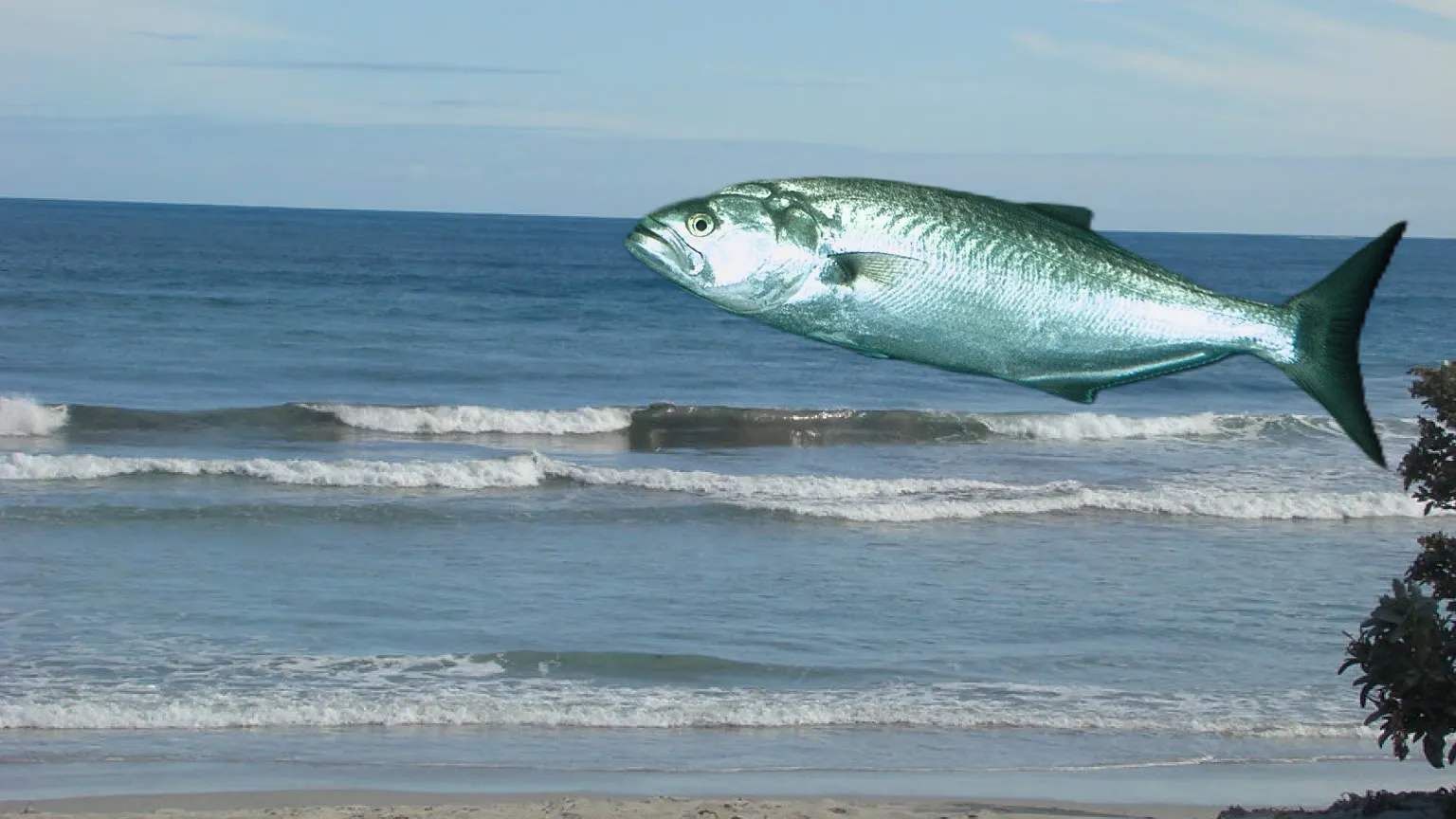
Target Species
Tailor
Geraldton is widely recognised as a premier destination for targeting jumbo greenback tailor in Western Australia, offering highly productive beach gutters and shallow limestone reef platforms where these aggressive predators hunt. The combination of strong coastal winds, rich baitfish populations, and accessible reef structures makes this region a paradise for land-based anglers chasing trophy fish.
For generations, beach and rock fishers have made the pilgrimage to the Mid West coast to test their gear against these razor-toothed monsters. What makes Geraldton so special is the unique topography of its coastline. Unlike the sandy, open beaches further south, this stretch of coast features extensive, shallow limestone reef platforms that run parallel to the shore. These reefs create highly aerated zones of white water, which act as natural hunting grounds for large tailor.
In this guide, you will discover how to read these coastal structures, select the right tackle to survive the reef edges, and apply proven local techniques to land the fish of a lifetime. Whether you are wading the shallow reef flats at first light or casting heavy metal lures into a howling afternoon sea breeze, understanding the local environment is your key to success. For more information on local angling destinations, check out our complete guide to fishing spots across the country, or brush up on your target profiles with our detailed species guides.
Getting There
Tailor
Pomatomus saltatrix
Always check current NSW DPI regulations before fishing. Bag and size limits may change.
Understanding Geraldton: Location Intelligence
The coastal structure of Geraldton consists of extensive limestone reef platforms, shallow sandy lagoons, and deep surf gutters that provide excellent habitat for jumbo greenback tailor. These fish patrol the edges of the shallow reefs, using the turbulent, highly oxygenated white water to ambush baitfish.
To successfully target jumbo tailor in this region, you must understand how these fish interact with the local underwater topography. The limestone reefs to the south of Geraldton are particularly famous for holding larger, resident tailor, often referred to as greenbacks due to their dark, sea-green coloration and impressive size. These older, solitary fish tend to find a choice location on an offshore reef or a deep ledge and call it home, rather than constantly migrating with the smaller school fish.
The depth along these inner reef systems ranges from less than a metre on top of the reef flats to over five metres in the deeper channels and gutters that cut through the limestone. During an incoming tide, water pushes over the outer reef barrier, creating a washing machine effect. This highly aerated white water is the prime zone to target. Tailor have specialised eyesight that allows them to hunt effectively in highly turbulent, bubbly water where baitfish like whiting, garfish, and mulies are easily disoriented.
When planning your session, look for areas where the reef edge drops off into deeper water, or where a gap in the reef platform creates a natural channel. These channels act as highways for tailor entering the shallow lagoons to feed. Wading these reef systems on an incoming tide is a highly effective local method, but it requires a solid understanding of the swell and tide. For your personal safety, always wear spiked boots and a high-visibility life jacket when walking on wet limestone. You can read more about staying safe on coastal ledges in our fishing safety guide.
Location Essentials
The presence of bait is the single most important factor when choosing a specific ledge or beach gutter. Keep an eye out for terns and gulls diving close to the water, or schools of baitfish showering across the surface. When tailor are actively hunting, they will ball up the bait against the reef face, leading to spectacular, highly visible surface strikes. If you locate these active feeding zones, focus your efforts on casting your lures or baits directly into the foam on the edge of the deep water. To learn more about identifying productive coastal waters, explore our guide on fishing techniques.
When Is the Best Time to Fish for Jumbo Greenback Tailor at Geraldton?
The best time to fish for jumbo greenback tailor at Geraldton is during the low-light windows of dawn and dusk, particularly when an incoming tide coincides with these periods. These highly active predators use the changing light conditions to ambush baitfish in the highly aerated white water.
Tailor are visual hunters, and their feeding activity peaks dramatically when the sun is low on the horizon. The golden hour, which spans from 45 minutes before sunset to about an hour after dark, is prime time. During these periods, baitfish such as blue sprats and hardyheads become disoriented in the shallows, making them easy targets. A similar peak occurs at first light, making early morning sessions incredibly productive for anglers willing to brave the cold beach breezes.
While dawn and dusk are the undisputed peak periods, night fishing during a bright full moon can produce spectacular results on the shallow reef platforms south of town. Jumbo tailor, which can exceed 80 centimetres in length, feel much more secure entering shallow water under the cover of darkness. During these night sessions, the fish rely heavily on their lateral lines to detect the vibrations of struggling prey, making large, smelly baits or highly active surface lures exceptionally effective.
Tidal movement is the other critical factor. An incoming tide is highly preferred because it pushes fresh, cool, oxygenated water onto the shallow reef flats and into the deep beach gutters. This movement of water encourages baitfish to move inshore, with the jumbo tailor following closely behind. If you can find a day where high tide occurs roughly 30 minutes after sunset, you have found the absolute perfect window for a trophy greenback session.
The wind also plays a major role in Geraldton. While the infamous afternoon sea breezes can make casting difficult, a moderate onshore breeze helps to build up the swell, creating the white water and foam that tailor love to hunt in.
Tailor Seasonal Calendar
Tide Times
Optimal Tide
Incoming tide peaking 30 to 60 minutes after sunset
Tide movement is critical for fish activity. Most species feed actively during tide changes, especially the run-in (incoming) tide.
Detailed hourly tide charts
Official tide predictions
7-day tide calendar
Tide Guide
Best for most species. Fish move in to feed as water rises.
Good for ambush predators. Baitfish get swept out.
Slower bite. Fish less active during slack water.
New/full moon. Bigger tidal range, more fish movement.
Moon Phase & Solunar
Moon phases influence fish feeding behavior. New and full moons create spring tides with stronger currents and increased fish activity.
Best Phases
- New Moon: Peak feeding activity, spring tides, excellent fishing
- Full Moon: Strong tides, night feeding, great for nocturnal species
- 3 Days Either Side: Extended peak period for maximum results
Major/Minor Periods
- Major Periods: Moon overhead/underfoot (2-3 hours)
- Minor Periods: Moon rise/set (1-2 hours)
- Best Times: Major period + dawn/dusk = explosive action
Weather Conditions
Check current conditions before heading out. Wind, swell, and barometric pressure significantly affect fish behavior.
Official forecasts, warnings & radar
Hourly wind speed & direction
Swell height, period & direction
The 45-Minute Rule
Always ensure your lines are in the water at least 45 minutes before the sun touches the horizon. Jumbo tailor often patrol the edges of the reef breaks just as the light begins to soften, and missing this initial 15-minute window can mean missing the biggest fish of the run.
What Tackle Do You Need for Jumbo Greenback Tailor at Geraldton?
To successfully land jumbo greenback tailor at Geraldton, you need a long, powerful spinning rod rated for 6 to 10 kilograms, paired with a durable 4000-size reel spoolled with 20-pound braid. This setup allows you to cast heavy baits or metal lures long distances into the wind and pull strong fish away from sharp reef edges.
When targeting jumbo tailor around Geraldton’s rugged coastline, your gear will be subjected to harsh saltwater environments, heavy surf, and incredibly strong fish. A flimsy rod will not only limit your casting distance but will also fail to keep a big greenback’s head up when it tries to dive into the limestone reef. For beach and rock fishing, a rod length of 10 to 12 feet is highly recommended to keep your line clear of the shore break. If you are wading the shallow reef systems to the south, a slightly shorter 9-foot light game rod provides better maneuverability while still offering excellent casting distance.
Your reel needs to have a high retrieve rate and a smooth, reliable drag system. Tailor are famous for their blistering runs and acrobatic jumps, which can easily pull hooks if your drag is sticky or too tight. A high-speed gear ratio is particularly useful when casting metal slices, as you need to retrieve the lure quickly to keep it swimming in the upper water column.
While braid is highly recommended for its superior casting distance and direct contact with the fish, some local anglers still prefer using 15 to 20-pound monofilament as their main line. The natural stretch of monofilament acts as a shock absorber, preventing the hooks from tearing out of the tailor’s soft mouth when they shake their heads violently at the surface. If you choose braid, always use a long leader of 30 to 40-pound fluorocarbon to provide abrasion resistance against the sharp rocks and the fish’s teeth. For more information on selecting the right gear for different environments, check out our tackle basics guide.
Complete Tackle Specifications for Geraldton Tailor
| Component | Specification |
|---|---|
| Rod | 10 to 12 foot medium-heavy surf caster, rated 6-10kg for beach fishing |
| Reel | 4000 to 5000 size spinning reel with a high-speed retrieve ratio (6.0:1 or higher) |
| Main Line | 20 to 30lb PE braid for maximum casting distance and sensitivity |
| Leader | 30 to 50lb fluorocarbon leader, approximately 1 to 1.5 metres in length |
| Hooks | Ganged hook set using three 4/0 or 5/0 Mustad Tarpon hooks |
| Sinker | 1 to 3oz star or pyramid sinker, depending on the strength of the surf |
| Swivels | Size 4 to 6 crane swivels in matte black finish to prevent bite-offs |
| Rig Type | Light running sinker rig or a unweighted drift bait rig for shallow reefs |
How Do You Rig for Jumbo Greenback Tailor?
The most effective rig for jumbo greenback tailor is a ganged hook rig tied to a heavy fluorocarbon leader, which prevents the fish’s razor-sharp teeth from slicing through your line. This rig keeps whole baits like pilchards straight and natural, ensuring a high hookup rate when a tailor strikes.
Building a reliable rig is critical when targeting jumbo tailor. Their triangular, razor-sharp teeth can effortlessly slice through standard monofilament, and their aggressive strike means that any weakness in your knots or line will be instantly exposed. While some anglers use wire leaders to prevent bite-offs, local experts generally avoid them because wire can drastically reduce the number of bites you get in clear water. Instead, a heavy fluorocarbon leader of 40 to 50 pounds offers the perfect balance of stealth and tooth resistance.
Another essential local secret is the use of matte black swivels. Tailor are highly attracted to anything shiny in the water. If you use a bright brass or silver swivel, other tailor in the school will often attack the swivel while you are playing a fish, instantly biting through your main line and costing you both your rig and your trophy fish.
The ganged hook rig is the gold standard for presenting whole pilchards (mulies) or garfish. Ganging hooks involves connecting three or four hooks together through their eyes, creating a long chain that supports the entire length of the bait. This ensures that no matter where the tailor bites, it will find a hook point. For more detailed rigging diagrams, you can explore our complete guide on fishing rigs.
Building the Best Ganged Hook Tailor Rig
- 1
Select Your Hooks
Take three 4/0 or 5/0 Mustad Tarpon hooks. Ensure they have open eyes, or use a pair of pliers to slightly open the eyes of two hooks so they can be linked together.
- 2
Gang the Hooks
Insert the point of one hook through the eye of the next hook. Use heavy pliers to firmly squeeze the eye shut, securing the hooks together in a straight, flexible chain.
- 3
Prepare the Leader
Cut a 1.2-metre length of high-quality 40-pound fluorocarbon leader material. This length keeps your main line well away from the fish's abrasive scales and the reef.
- 4
Tie the Swivel
Attach a matte black size 4 crane swivel to one end of the leader using a Uni knot or an improved Clinch knot. Moisten the knot with saliva before pulling it tight.
- 5
Attach the Hooks
Tie the open end of the fluorocarbon leader directly to the eye of the top hook in your ganged set using a strong Uni knot.
- 6
Rig the Bait
Insert the point of the top hook through the eye of a whole pilchard, the middle hook through the back, and the bottom hook near the tail. Ensure the bait lies perfectly straight.
- 7
Double Check the Rig
Verify that all hook eyes are completely closed and that the bait does not spin when pulled through the water. A spinning bait will twist your line and deter hungry fish.
What Bait Works Best for Jumbo Greenback Tailor?
The best bait for jumbo greenback tailor at Geraldton is a fresh, whole pilchard (locally called a mulie) or a large sea garfish rigged on a set of ganged hooks. These oily baits release a strong scent trail that draws hungry tailor from deep water into the surf gutters.
Tailor are highly predatory, opportunistic feeders that rely on scent, vibration, and vision to locate their prey. To consistently catch the largest fish in the school, you need to use baits that are fresh, oily, and presented as naturally as possible. While frozen bait from the local service station will catch fish, sourcing fresh, local bait will dramatically improve your success rate on jumbo models.
Whole pilchards are the most popular bait along the Western Australian coast. They have a high oil content and soft flesh, which releases a massive scent trail as soon as they hit the water. However, because they are soft, they can easily be torn off the hooks by smaller picker fish or during powerful casts. To combat this, many local anglers wrap their pilchards with a few turns of elastic bait thread.
For the absolute largest jumbo tailor, fresh sea garfish are highly prized. Garfish have much tougher skin than pilchards, allowing them to withstand long, powerful casts into strong head winds. Their silvery sides flash brilliantly in the white water, making them highly visible to passing predators. Mullet fillets and scaly mackerel strips are also excellent choices when smaller fish are constantly stealing softer baits, as their tough skin makes them highly durable on the hook. For a deeper look at sourcing and preparing these options, visit our bait guide.
Bait Performance Analysis for Geraldton Tailor
| Whole Pilchard (Mulie) | Sea Garfish | Mullet Fillet | |
|---|---|---|---|
| Effectiveness Rating | Excellent | Outstanding | Very Good |
| Durability on Hook | Low to Medium | High | Very High |
| Scent Dispersion | Outstanding | High | Medium to High |
| Availability | Very High | Medium | High |
| Best Use Conditions | Low-light periods and quiet surf conditions | Strong winds, heavy surf, and targeting trophy fish | High-energy surf zones and areas with bait-stealers |
The Freshness Factor
Always keep your bait on ice in a quality cooler. Tailor are clean, fastidious hunters and will often ignore soft, warm, sun-damaged baits. Keeping your pilchards firm and cold ensures they stay on the hooks longer and release a much cleaner scent trail in the water.
How Do You Catch Jumbo Greenback Tailor at Geraldton?
Catching Jumbo Greenback Tailor at Geraldton requires casting baits or lures directly into the aerated white water of reef breaks and retrieving them at a steady pace to trigger their aggressive feeding instinct. Success relies on positioning your presentation in the turbulent zones where baitfish are disoriented.
To consistently hook these ocean predators, you must master a specific casting strategy. When fishing the shallow reef systems south of town, wade out carefully on an incoming tide. Aim your casts toward the back of the breaking waves or into the deep, churning gutters that run between the reef platforms. If you are using a whole pilchard on a gang of hooks, let the bait sink for just a couple of seconds before starting a slow, undulating retrieve. You want the bait to swim naturally in the mid-water column rather than dragging along the sharp reef bottom. If you are casting metal slices, keep your rod tip low and use a rapid, skipping retrieve to mimic a fleeing garfish.
[Reef Platform] ---> Cast into White Water ---> [Deep Gutter]
                                                      |
                                            (Slow/Steady Retrieve)
                                                      |
                                            [Aggressive Strike!]
Bite detection when targeting jumbo tailor is rarely subtle. These fish are highly aggressive pack hunters that strike with immense speed. When a tailor takes your bait or lure, you will feel a sudden, violent tug on the line. It is vital to set the hook immediately with a firm, upward sweep of the rod. Do not strike with excessive force, as tailor have relatively soft mouth membranes that can tear easily under too much pressure, causing the hooks to pull free.
Once hooked, a jumbo greenback tailor will immediately run for the nearest reef edge or attempt to launch itself out of the water. Tailor are famous for their spectacular aerial displays, during which they violently shake their heads to throw the hooks. To counter this, keep your rod tip low to the water and maintain constant, smooth tension on the line. Never allow the line to go slack.
When landing a large tailor from the shore, use the incoming swell to wash the fish up onto the sand or flat reef platform. Avoid lifting a heavy fish directly out of the water using only your rod, as this often results in a snapped rod tip or a pulled hook. If you are wading, guide the fish into a long-handled landing net once it is exhausted. Keep your fingers well clear of the mouth at all times, as their triangular teeth can easily slice through skin and bone.
What Are the Rules for Fishing at Geraldton?
Fishing for Jumbo Greenback Tailor in Geraldton is subject to strict Western Australian recreational fishing rules, which include a minimum legal length of 300 mm and a daily bag limit of eight fish per angler. Additionally, only two of these eight fish may exceed 500 mm in length to protect the larger breeding stock.
These regulations are designed to ensure the long-term sustainability of the Western Australian tailor population, which genetic evidence shows is biologically independent from the eastern states. Anglers must always measure their catch from the tip of the snout to the fork of the tail to ensure compliance. You can check current regulations at the Western Australian state fisheries website before heading out.
Critical Safety Considerations
The coastal environments around Geraldton, particularly the southern reef systems, present significant natural hazards that require extreme caution.
- Slippery Reefs and Large Swells: Wading on shallow reef platforms can be highly dangerous. Wet reef rock is incredibly slippery, and sudden rogue waves can easily sweep an angler off their feet.
- Safety Gear: Always wear high-traction reef boots, a lightweight personal flotation device (PFD), and polarized sunglasses to spot deep crevices in the reef. Never fish these locations alone.
- Emergency Contacts: In case of emergency, contact Volunteer Marine Rescue Geraldton on VHF Channel 16 or call 000 immediately.
Practising ethical fishing and conservation ensures that Geraldton remains a top fishery. When releasing undersized or breeding fish, handle them with wet hands or a damp cloth to protect their protective slime coating. Use a specialized hookout tool or long-nose pliers to remove hooks quickly, minimizing the time the fish spends out of the water.
If you plan to keep a feed, bleed the fish immediately upon capture by cutting the gills, then place it straight into an ice slurry. Tailor have oily, delicate flesh that deteriorates rapidly in warm conditions. Proper handling prevents the meat from becoming mushy and preserves its excellent eating quality. For more tips on staying safe on the coast, read our guide on fishing safety.
Your Questions About Jumbo Greenback Tailor Fishing at Geraldton
What is the best time to fish at Geraldton?
The best time to fish for Jumbo Greenback Tailor at Geraldton is during the dawn and dusk periods, specifically from 45 minutes before sunrise and sunset.
These peak fishing hours coincide with the natural hunting patterns of large tailor, which use the low-light conditions to ambush baitfish. Fishing during an incoming tide that peaks just after dark will significantly increase your chances of landing a trophy fish.
Is Geraldton suitable for beginners?
Yes, Geraldton offers several beginner-friendly shore fishing locations, such as the town beaches and the main harbour breakwalls.
While the remote southern reef systems require intermediate wading skills, these easy fishing spots provide safe, flat platforms where novice anglers can practice casting metal lures and bait rigs without facing dangerous swells.
Do I need a boat to fish at Geraldton?
No, you do not need a boat to target jumbo tailor in Geraldton, as the vast majority of trophy fish are caught using land-based fishing techniques.
Excellent shore fishing opportunities exist all along the coast, with deep beach gutters and accessible reef platforms allowing anglers to cast directly into prime tailor territory from the sand.
Where are the best specific spots at Geraldton?
The premier fishing marks for jumbo tailor are the shallow reef systems located directly to the south of Geraldton, including Greenough River mouth and Separation Point. Average catch size
These hot spots feature extensive reef structures and deep channels that hold resident populations of large baitfish, making them highly reliable areas for targeting big greenbacks.
What size Jumbo Greenback Tailor can I expect?
The average catch size for tailor in Geraldton ranges between 40 and 55 cm, though trophy fish exceeding 80 cm are regularly taken by dedicated local anglers.
Any tailor measuring over 60 cm is considered a genuine jumbo greenback in Western Australian waters, representing a powerful and highly prized catch.
Is there parking available at Geraldton?
Yes, there is ample public parking available near all the major fishing locations along the Geraldton foreshore and southern beaches.
Most spots offer easy access with sealed car parks located just a short walk from the sand, making it simple to transport your rods, cooler, and tackle boxes to the water’s edge.
Can I fish at night at Geraldton?
Yes, night fishing is highly productive in Geraldton, particularly during bright, moonlit nights when tailor are actively hunting. After dark
Using oily baits like whole garfish or mullet strips after dark in the deep beach gutters is an excellent way to bypass smaller pickers and attract the largest resident greenbacks.
Where can I buy bait near Geraldton?
You can purchase high-quality bait and local tackle at the Geraldton Sports Centre or from several service stations located near the highway. Tackle stores nearby
These local bait shops stock fresh IQF mulies, local garfish, and specialized tailor rigs, while also providing up-to-date advice on where the bite is currently firing.
What are the current bag and size limits?
The legal limits for tailor in Geraldton are a minimum length of 300 mm and a daily bag limit of eight fish per person.
Anglers must remember that WA regulations state only two of these eight fish may be over 500 mm, ensuring the highly productive breeding females are protected.
Is Geraldton family-friendly for fishing?
Yes, the protected waters around the Champion Bay foreshore and the Batavia Coast Marina are excellent, safe fishing spots for families. Kids fishing
These areas feature calm water, public toilets, playgrounds, and easy walking paths, making them perfect for introducing kids to fishing for smaller species like herring and whiting.
What should I bring for a fishing session?
Your essential fishing checklist should include a 10-foot surf rod, a warm windproof jacket, polarized sunglasses, a headlamp for night sessions, and a pair of long-nose pliers.
Because the wind can be exceptionally strong in Geraldton, carrying extra sinkers and a heavy-duty sand spike to hold your rod is highly recommended.
How crowded does Geraldton get?
While popular spots like the marina wall can get busy on weekends, the extensive southern beaches offer plenty of space to escape the crowds. Quiet fishing times
To find the best times to avoid crowds, plan your trips for mid-week mornings or explore the more remote beach tracks south of the Greenough River.
Stay Updated with Fishing Reports
Latest Fishing Reports
Stay updated with the latest catches, conditions, and hot tips from Geraldton. Check these sources for recent reports filtered by location and species.
Fishraider
Community fishing reports and catch logs
Fishing World
Professional fishing reports and news
Tackle World
Local tackle shop reports and tips
NSW DPI
Official recreational fishing reports
Fishingmonthly
Monthly fishing magazine and reports
Hooked Up
Video fishing reports and tips
Pro Tip: Filter Reports
When browsing reports, search for "Geraldton" or nearby landmarks. Look for reports from the last 7-14 days for the most relevant information. Pay attention to tide times, weather conditions, and successful techniques mentioned.
Share Your Catch
Caught something at Geraldton? Share your success with the community! Upload your catch photos and reports to help other anglers.
Disclaimer: Fishing regulations, bag limits, and access points can change without notice. Always verify the latest rules with the Western Australia Department of Primary Industries and Regional Development before planning your trip.
Explore more fishing spots in the area to discover new locations, or learn about other species available along the mid-west coast. If you are new to the sport, read our fishing basics guide to get started with confidence.
Quick Info
- Location
- Geraldton
- Coordinates
- -28.7740, 114.6090
- Difficulty
- intermediate
- Target Species
- Tailor
Conditions
Check local weather and tide conditions before heading out.