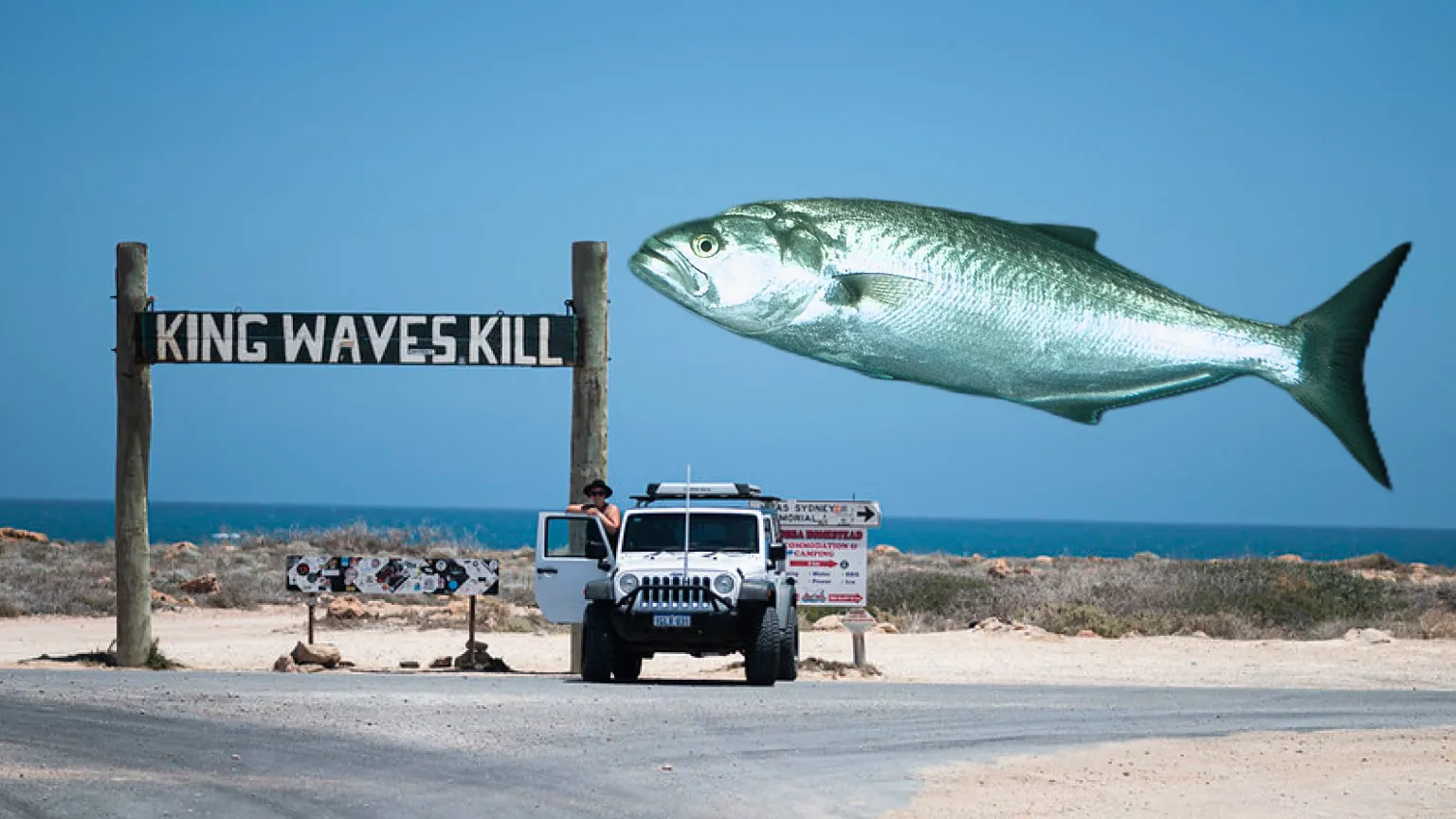
Target Species
Tailor
Carnarvon offers reliable land-based tailor fishing across its beaches, breakwalls and river delta channels. Tailor here are typically school-sized chopper fish rather than the large greenbacks found further south, and they are most often caught alongside mulloway, threadfin salmon and trevally on dawn and dusk sessions.
Situated where the desert meets the sea, Carnarvon acts as a natural biological melting pot. The warm waters of the Leeuwin Current mingle with cooler coastal upwellings, creating a highly productive marine environment. For recreational fishers, this translates to an abundance of baitfish, which in turn attracts fast-moving predators including tailor.
It is worth setting expectations before you go. Carnarvon sits near the northern edge of the tailor’s Western Australian range, which runs roughly from Exmouth south to Albany. The big, deep-bodied fish that anglers call greenbacks are a Mid West and South West speciality, concentrated around Kalbarri, Geraldton and the Perth metropolitan reefs. At Carnarvon you should expect consistent numbers of chopper-grade tailor rather than trophy greenbacks, which makes this a fun, accessible light-tackle fishery rather than a big-fish destination.
What makes Carnarvon truly special is its diverse array of fishable structures. From the shallow, mangrove-lined creeks of the Gascoyne River mouth to the wave-swept beaches and deep nearshore channels, there is a venue to suit every angling style. Whether you prefer casting heavy metal lures into the white water at dawn, swimming a whole garfish through a deep beach gutter at dusk, or launching a bait from a dinghy near the offshore reef edges, Carnarvon delivers consistent opportunities to connect with a personal best.
In this guide, you will learn the exact tactics, tackle configurations, seasonal movements, and local secrets required to successfully target and land tailor in the Gascoyne. We will unpack the geography of the region, identify the key structural features that hold fish, and outline the safety precautions necessary for fishing this beautiful but sometimes wild stretch of the Western Australian coastline.
Getting There
Tailor
Pomatomus saltatrix
Always check current NSW DPI regulations before fishing. Bag and size limits may change.
Understanding Carnarvon: Location Intelligence
To consistently catch tailor in Carnarvon, you must first understand the unique coastal geography and environmental factors that govern their behaviour. The town is built on the delta of the Gascoyne River, a dry river system that occasionally flows with immense volume after heavy inland rains. When the river flows, it flushes vast amounts of organic nutrients into the ocean, triggering a massive explosion in the local food chain. Even when the river is not flowing, the underwater topography of the delta remains a highly dynamic environment.
The coastal fringe around Carnarvon is characterised by expansive shallow sand flats, mangrove creeks, deep tidal channels, and offshore barrier reefs. Tailor are highly visual, fast-moving predators that use these structures to their advantage. They are built for speed and agility, possessing sharp eyesight and a lateral line system that is highly sensitive to water vibrations. This allows them to hunt effectively in turbulent, highly aerated water where smaller prey fish are disoriented.
Location Essentials
One of the most critical geographical features in the region is Miaboolya Beach, located roughly 22 kilometres north of the Carnarvon townsite. This area is highly significant because it is the only known nursery habitat for tailor in the entire Gascoyne region. The combination of warm, sheltered waters, mangrove creeks, and abundant juvenile baitfish provides the perfect sanctuary for young tailor to grow. As these fish mature, they move out of the nursery areas and join the adult schools patrolling the high-energy surf beaches and deeper offshore reefs.
Another notable structure is the historic One Mile Jetty. While the jetty itself has suffered severe storm damage and is closed to pedestrian access, the deep channel running past the seaward end remains a productive travel route for tailor. The tidal currents squeeze through this channel, creating a natural bottleneck where baitfish are swept along. Tailor sit in the deeper water, waiting to ambush baitfish that are pushed off the shallow flats by the falling tide.
When targeting these fish, you must look for areas where the water is highly oxygenated and disturbed. The white water created by waves breaking over shallow reef ledges or sandy bars is prime hunting territory. Tailor will cruise the edges of these foam lines, using the bubbles as cover to sneak up on schools of mullet, garfish, and herring. If you can locate a deep gutter running parallel to a surf beach with a clear entry and exit point to deeper water, you have found a prime location for a sunset or sunrise session.
When Is the Best Time to Fish for Tailor at Carnarvon?
The best time to fish for Tailor at Carnarvon is during the low-light windows of dawn and dusk, particularly when these times coincide with an incoming high tide. The cooler winter months from May to September represent the peak season for the better-quality fish, although summer afternoons also produce excellent action when the sea breeze stirs up the coastal white water.
Tailor are highly visual ambush predators that rely on structural cover and turbulent water to surprise their prey. In the clear waters around Carnarvon, bright sunlight makes these fish wary, driving them into deeper offshore sanctuaries. As the sun dips below the horizon or before it rises in the morning, tailor gain a distinct predatory advantage. During these magic hours, they move into shallow reef margins, beach gutters, and the edges of sandbars to feed aggressively.
Tidal movement is another critical factor. An incoming tide is highly favoured because it pushes baitfish closer to the shore and fills the coastal gutters with highly oxygenated water. When a high tide peaks just after dusk or just before dawn, you have the perfect recipe for a memorable session.
The wind also plays a major role in local tailor behaviour. While many anglers dislike windy conditions, the arrival of the afternoon sea breeze in summer, often called the southerly buster, can trigger an intense feeding frenzy. The wind chops up the surface, creating a thick layer of foam and white water that masks your line and makes the tailor feel secure enough to hunt close to the shore.
Tailor Seasonal Calendar
Tide Times
Optimal Tide
Incoming high tide peaking at dawn or dusk
Tide movement is critical for fish activity. Most species feed actively during tide changes, especially the run-in (incoming) tide.
Detailed hourly tide charts
Official tide predictions
7-day tide calendar
Tide Guide
Best for most species. Fish move in to feed as water rises.
Good for ambush predators. Baitfish get swept out.
Slower bite. Fish less active during slack water.
New/full moon. Bigger tidal range, more fish movement.
Moon Phase & Solunar
Moon phases influence fish feeding behavior. New and full moons create spring tides with stronger currents and increased fish activity.
Best Phases
- New Moon: Peak feeding activity, spring tides, excellent fishing
- Full Moon: Strong tides, night feeding, great for nocturnal species
- 3 Days Either Side: Extended peak period for maximum results
Major/Minor Periods
- Major Periods: Moon overhead/underfoot (2-3 hours)
- Minor Periods: Moon rise/set (1-2 hours)
- Best Times: Major period + dawn/dusk = explosive action
Weather Conditions
Check current conditions before heading out. Wind, swell, and barometric pressure significantly affect fish behavior.
Official forecasts, warnings & radar
Hourly wind speed & direction
Swell height, period & direction
The Magic Hour Window
Do not pack up the moment the sun goes down. Tailor often wait until complete darkness to patrol the very shallowest parts of the gutter. Keep your bait in the water for at least an hour after sunset, as this is when the biggest, most cautious fish feel safe enough to strike.
What Tackle Do You Need for Tailor at Carnarvon?
To target Tailor at Carnarvon, you need a heavy-duty spinning outfit featuring a 9 to 10-foot medium-heavy rod paired with a strong 4000 to 5000 size spinning reel. This setup must be spooled with 20 to 30-pound braid and finished with a heavy monofilament or fluorocarbon leader to withstand both the abrasive reef structures and the tailor’s razor-sharp teeth.
When selecting your gear, you must strike a balance between casting distance and pulling power. A long rod is essential for casting heavy baits or metal lures past the shore breakers and into the productive gutters. A rod length of 9 to 10 feet allows you to keep your line clear of the shoreshore shorebreak and gives you the use needed to steer a heavy fish away from sharp reef edges.
Your reel needs a smooth, reliable drag system capable of handling the explosive runs and headshakes of a good tailor. Tailor are famous for their aerial acrobatics, and a sticky drag will result in pulled hooks or snapped lines when a fish jumps. Spool your reel with high-quality braid, which offers a thin diameter for maximum casting distance and zero stretch for instant hooksets.
The terminal tackle is where many anglers make critical mistakes. Always use a heavy leader, ideally 30 to 40-pound test, to protect against the tailor’s teeth and the abrasive sand. Another vital piece of local knowledge is to use matte black swivels. Tailor are highly attracted to shiny objects, and using a silver or brass swivel will often result in another tailor biting the swivel and cutting your main line. For more tackle basics, see our tackle essentials guide.
Complete Tackle Specifications
| Component | Specification |
|---|---|
| Rod | 9-10ft medium-heavy spin, 6-10kg rating, fast action |
| Reel | 4000-5000 size spinning reel with 7kg+ smooth carbon drag |
| Main Line | 20-30lb PE braid for maximum casting distance |
| Leader | 30-40lb fluorocarbon or hard monofilament, 1-1.5m length |
| Hooks | 4/0 to 6/0 ganged hooks (3 or 4 hook gang) for whole baits |
| Sinker | 3-5oz star or pyramid sinker, depending on surf current |
| Swivels | Size 4-6 matte black barrel swivels to prevent bite-offs |
| Rig Type | Ganged hook running sinker rig or unweighted wash rig |
How Do You Rig for Tailor?
The most effective rig for Tailor is a classic ganged hook running sinker rig, which allows a whole bait to swim naturally through the surf without spinning. This rig uses three or four interconnected hooks to distribute the bait’s weight evenly, ensuring that no matter where the tailor strikes, it finds a hook point.
Tailor are notorious for chopping the tails off baitfish and leaving the head behind. If you use a single hook, you will miss the majority of these strikes. Ganged hooks solve this problem by covering the entire length of the bait. By rigging your bait so it lies perfectly flat, you prevent it from spinning in the current, which looks unnatural and twists your line.
When constructing your rig, you can use a running sinker system to allow the fish to take the bait without feeling immediate resistance. If you are fishing in heavy wash or shallow reef areas, you can also fish your ganged bait completely unweighted, letting it drift naturally through the white water. For a complete overview of alternative setups, check out our fishing rigs guide, and ensure your connections are secure by visiting our fishing knots page.
Building the Perfect Ganged Hook Running Sinker Rig
- 1
Prepare Leader Material
Cut a 1.2-metre length of 40-pound hard monofilament or fluorocarbon leader material.
- 2
Attach the Swivel
Tie a matte black barrel swivel to one end of the leader using a secure Uni knot.
- 3
Thread the Sinker
Thread a running ball sinker or a sinker slider onto your main line before tying it to the other side of the swivel.
- 4
Assemble the Gang
Connect three or four 4/0 or 5/0 hooks together by inserting the eye of one hook over the point of another and closing the eye with pliers, or use pre-ganged hooks.
- 5
Tie the Hook Link
Tie the free end of your leader to the top hook of your ganged hook assembly using a secure knot.
- 6
Measure the Bait
Lay your baitfish against the ganged hooks to determine exactly where each hook point needs to enter the bait so it sits straight.
- 7
Rig the Bait
Insert the top hook through the bait's eye, the middle hooks through the body, and the tail hook near the tail, ensuring the bait is perfectly straight and not bunched up.
What Bait Works Best for Tailor?
The absolute best baits for Tailor at Carnarvon are fresh, oily baitfish such as whole West Australian pilchards (mulies) and whole garfish. These baits release a strong scent trail into the turbulent water, making it easy for hunting tailor to locate them in heavy surf or murky conditions.
While frozen bait from local tackle shops works well, fresh bait is always superior. Tailor have keen senses and will quickly reject mushy, washed-out bait. If you can catch fresh herring, yellowtail scad, or mullet from the local beaches or creeks, use them as fresh fillets or whole baits.
An interesting alternative bait that has gained a loyal following among Gascoyne anglers is raw chicken thigh. Chicken is incredibly tough and stays on the hook through heavy surf and constant attention from smaller pickers. When marinated in tuna oil, garlic, or salt, chicken thigh becomes a highly effective and durable bait for tailor. For more details on bait preparation and storage, read our complete bait guide.
Bait Performance Analysis
| WA Pilchards (Mulies) | Whole Garfish | Chicken Thigh | |
|---|---|---|---|
| Effectiveness Rating | Excellent | Excellent | Good |
| Durability on Hook | Poor to Fair | Good | Excellent |
| Scent Dispersion | Excellent | Good | Poor (unless marinated) |
| Availability | Very High | High | Very High |
| Best Use Conditions | Low-light beach fishing and light surf | Heavy surf casting and ballooning | Reef areas with high numbers of bait-stealers |
The Freshness Factor
Always keep your bait on ice. Soft, warm pilchards will fly off the hook during a long cast and disintegrate quickly in the surf. Keeping your bait firm and cold ensures it swims naturally and survives the initial cast into the strike zone.
How Do You Catch Tailor at Carnarvon?
Catching Tailor at Carnarvon requires targeting the turbulent white water zones of reef edges and beach gutters using a slow, pulsating retrieve with ganged bait or retrieving heavy metal lures at high speed.
To consistently land these aggressive predators, you must master the art of reading the water and adapting your retrieval style to their feeding patterns.
Casting Strategy and Bait Placement
When fishing the beaches and rock ledges around Carnarvon, your primary goal is to present your bait or lure in the wash. This is the highly aerated, foamy white water created by waves breaking over reefs or sandbars. Tailor use this turbulent cover to ambush disoriented baitfish.
If you are using a ganged pilchard or garfish rig, cast directly across the current into the edge of the foam. Allow the bait to sink for two to three seconds, then begin a slow, rhythmic retrieve. You want the bait to swim naturally through the mid-water column rather than sitting static on the bottom. If you are casting metal slices or surface poppers, aim for the deeper gutters behind the breaker line. Retrieve these lures rapidly to mimic a panicked baitfish fleeing for its life.
Bite Detection and Hookset
Tailor do not nibble. When a tailor decides to strike, the hit is incredibly violent. If you are fishing with bait, you will feel a sudden, heavy thump followed by a rapid run.
When using traditional ganged hooks, you must set the hook firmly. As soon as you feel the weight of the fish, lower your rod tip slightly, wind up the slack line, and strike with a firm, upward sweep of the rod. This drives the thick ganged hooks through the tough, bony jaw of the tailor. If you have opted for circle hooks, do not strike. Simply hold the rod steady and wind continuously until the drag starts screaming, allowing the fish to hook itself in the corner of the mouth.
Fighting and Landing Strategies
Once hooked, a tailor will immediately head for the surface, shaking its head violently and jumping out of the water to throw the hook. This is the most common moment to lose a trophy fish.
To counter this behaviour, keep your rod tip low, sometimes even submerging the tip in the water if the fish is jumping repeatedly. This keeps constant downward pressure on the line and prevents the tailor from gaining the use needed to shake the hooks free. Keep a steady bend in the rod and let your reel’s drag do the work.
When landing a large tailor from the shore, never attempt to lift the fish directly out of the water using the rod. Instead, use the incoming swell to wash the fish onto the sand or a flat rock ledge. Once the wave recedes, quickly secure the fish by gripping it firmly behind the head, keeping your fingers well clear of its razor-sharp teeth.
For more advanced casting and retrieving methods, you can read our detailed guide on fishing techniques.
What Are the Rules and Safety Guidelines for Fishing at Carnarvon?
Fishing for Tailor in Carnarvon requires adhering to a minimum legal length of 300 mm and a daily bag limit of 8 fish, with only 2 allowed over 500 mm, while prioritizing safety on the high-energy coastlines.
The waters around Carnarvon and the Gascoyne region are as wild as they are productive. Staying safe and respecting local conservation laws ensures these pristine fisheries remain healthy for future generations.
Critical Safety Considerations
- King Waves and Swell: The coastline around Carnarvon, particularly towards the Quobba coast, is notorious for sudden king waves. Never turn your back on the ocean and always fish from a safe elevation.
- Slippery Rocks: Rock ledges are often coated in wet algae. Wear high-grip footwear or steel-spiked rock boots at all times.
- Razor-Sharp Teeth: Tailor have incredibly sharp teeth that can easily slice through skin and tendons. Always use long-nosed pliers to remove hooks.
- Remote Location Prep: Many spots require driving on unsealed tracks. Ensure you carry recovery gear, plenty of fresh water, and a reliable communications device.
Current State Regulations
In Western Australia, tailor are managed as a prized recreational species. The current regulations for the Gascoyne Bioregion dictate:
- Minimum Size Limit: 300 mm (measured from the tip of the snout to the fork of the tail).
- Daily Bag Limit: 8 tailor per fisher.
- Large Fish Limit: Only 2 of your daily limit of 8 fish may exceed 500 mm in length.
These rules are strictly enforced by local fisheries officers. Always check for any seasonal closures or updated limits before heading out by visiting the fishing regulations page.
Tailor limits differ by WA bioregion and are subject to change. Confirm the rules that apply to the Gascoyne Coast bioregion using the official DPIRD bag and size limits lookup before you fish. Last reviewed August 2026.
Conservation Practices
To help preserve the local population of tailor, consider practicing selective harvest. Larger fish contribute disproportionately to spawning, so releasing the occasional big one supports the breeding stock. This matters more than usual around Carnarvon, where the Miaboolya nursery makes the local population sensitive to pressure on juvenile and undersized fish.
If you plan to release a large tailor, handle it with wet hands or a soft rubber landing net, keep it in the water as much as possible, and take your photos quickly. If you are keeping a fish for the table, bleed it immediately by cutting the gills, then place it straight into an ice slurry. This improves the eating quality of the meat and prevents the flesh from turning soft and mushy.
Your Questions About Tailor Fishing at Carnarvon
What is the best time to fish at Carnarvon?
The best time to fish for Tailor at Carnarvon is during the low-light hours of dawn and dusk, particularly when these times coincide with an incoming high tide.
These peak fishing hours see the tailor move into the shallow gutters and reef margins to feed under the cover of darkness. The arrival of the afternoon sea breeze during the warmer months can also trigger a sudden feeding frenzy along the beaches.
Is Carnarvon suitable for beginners?
Yes, Carnarvon offers several beginner-friendly land-based fishing locations, including the sheltered waters of the fascine and the local beaches.
While the remote rock ledges require advanced skills and safety gear, the town-centre beaches provide easy fishing spots where novices can comfortably cast a line. Using simple bait rigs like a running sinker with fresh mulies is an excellent way for beginners to hook into their first tailor.
Do I need a boat to fish at Carnarvon?
No, you do not need a boat to target Tailor at Carnarvon, as some of the most productive fishing is done directly from the shore.
Land-based fishing is highly successful here because tailor actively hunt in the shallow surf zones, gutters, and rock washes that are easily reached with a standard surf casting rod.
Where are the best specific spots at Carnarvon?
The premier fishing spots for tailor in the Carnarvon region include Miaboolya Beach, the Oyster Creek mouth, and the rock ledges along the Quobba coast to the north.
These hot spots offer a good combination of deep gutters, white water wash, and baitfish activity. Miaboolya Beach is notable for a different reason: its nearshore waters are the only known tailor nursery in the Gascoyne, so expect plenty of small, undersized fish there and handle releases carefully.
What size Tailor can I expect?
Most tailor caught at Carnarvon are chopper-grade fish in the 30 to 45 cm range, and anything past 55 cm is a genuine standout for the region.
If you are specifically chasing large greenback tailor, the Mid West coast around Geraldton and Kalbarri is a far better bet than the Gascoyne.
Is there parking available at Carnarvon?
Yes, major shore fishing locations in Carnarvon have dedicated parking areas, though some remote spots require a four-wheel-drive vehicle for direct access.
Town beaches and the fascine area have paved parking with easy walking paths, while accessing the remote northern beaches requires navigating sandy tracks.
Can I fish at night at Carnarvon?
Yes, night fishing is highly productive for tailor at Carnarvon, especially during warm summer nights with a bright full moon.
Using bright lures or highly scented baits after dark can yield excellent results, as the larger, more cautious tailor feel secure enough to hunt close to the shoreline under the cover of night.
Where can I buy bait near Carnarvon?
You can purchase fresh bait, tackle, and local advice from local tackle stores in the Carnarvon town centre, including the Big Blue Shed.
These local bait shops stock high-quality local pilchards, garfish, and squid, which are far superior to the generic frozen bait found at standard service stations.
What are the current bag and size limits?
The legal limits for tailor in Western Australia are a minimum length of 300 mm and a daily bag limit of 8 fish per person.
To protect the breeding population, local regulations state that only 2 of your daily bag limit of 8 tailor may exceed 500 mm in length.
Is Carnarvon family-friendly for fishing?
Yes, Carnarvon has several safe fishing spots that are perfect for families and young children, particularly around the town jetty and the fascine.
What should I bring for a fishing session?
Your essential fishing checklist for Carnarvon should include a heavy-duty surf rod, a selection of metal lures, ganged hook rigs, wire leaders, and protective sun gear.
Because of the harsh Gascoyne sun and remote locations, you must also carry plenty of drinking water, a first aid kit, and reliable footwear for walking on soft sand or rough rocks.
How crowded does Carnarvon get?
While Carnarvon attracts many tourists during the peak winter months, the vast coastline means you can easily find quiet fishing times and uncrowded beaches.
To avoid the crowds, plan your sessions during the shoulder seasons of autumn and spring, or walk a few hundred metres away from the main beach access points to find your own private gutter.
Latest Fishing Reports
Stay updated with the latest catches, conditions, and hot tips from Carnarvon. Check these sources for recent reports filtered by location and species.
Fishraider
Community fishing reports and catch logs
Fishing World
Professional fishing reports and news
Tackle World
Local tackle shop reports and tips
NSW DPI
Official recreational fishing reports
Fishingmonthly
Monthly fishing magazine and reports
Hooked Up
Video fishing reports and tips
Pro Tip: Filter Reports
When browsing reports, search for "Carnarvon" or nearby landmarks. Look for reports from the last 7-14 days for the most relevant information. Pay attention to tide times, weather conditions, and successful techniques mentioned.
Share Your Catch
Caught something at Carnarvon? Share your success with the community! Upload your catch photos and reports to help other anglers.
Disclaimer: Fishing regulations and access conditions can change rapidly. Always verify current bag limits, size restrictions, and local sanctuary zone boundaries with the Western Australian Department of Primary Industries and Regional Development before your trip. Ensure you practice safe rock fishing habits at all times.
If you want to discover more incredible angling destinations across Western Australia, explore our complete guide to fishing spots, read up on other target species in our species guides, or brush up on your core skills with our fishing basics guide.
Quick Info
- Location
- Carnarvon
- Coordinates
- -24.8800, 113.6600
- Difficulty
- intermediate
- Target Species
- Tailor
Conditions
Check local weather and tide conditions before heading out.